Few markets in India are as emotionally driven as the baby-products industry. Parents are willing to spend heavily on comfort, safety, softness, appearance, and quality when it comes to their children.
A few decades ago, baby clothing purchases were mostly limited to local garment shops and simple cotton wear. Today, the market has changed completely.
Modern parents now look for stylish baby outfits, organic fabrics, themed clothing, newborn gift sets, seasonal fashion, personalized baby wear, and Instagram-friendly designs. At the same time, social media, online shopping, parenting influencers, and rising middle-class income have transformed baby fashion into a fast-growing lifestyle category.
This shift has turned baby clothing into one of India’s strongest and most emotionally driven retail businesses.
Unlike ordinary fashion segments where trends change aggressively and customer loyalty shifts quickly, baby clothing benefits from repeat purchases because children outgrow clothes rapidly.
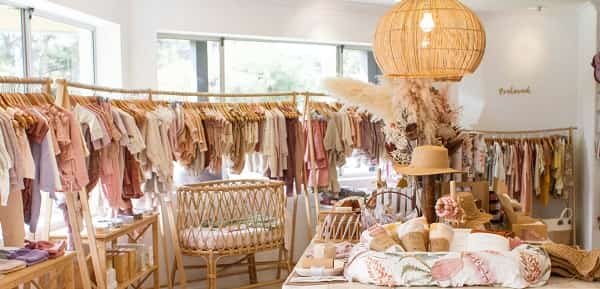
A Business Connected to Parenting and Lifestyle Spending
India’s baby-products market continues expanding steadily every year.
Several factors continue driving baby-clothing demand:
- Rising middle-class income
- Growth of online shopping
- Increasing focus on baby comfort and safety
- Expansion of gifting culture
- Social-media parenting trends
- Growth of premium children’s fashion
Parents today increasingly prefer branded and visually appealing baby products.
Types of Baby Clothing Businesses
1. Newborn Clothing Brand
Clothes designed specifically for infants and newborn babies.
2. Premium Organic Baby Wear
Soft cotton and chemical-free fabric clothing.
3. Designer and Fashion Baby Boutique
Stylish outfits and occasion wear for babies and toddlers.
4. Daily Wear Baby Clothing Business
Affordable regular-use baby clothes.
5. Personalized Baby Clothing Brand
Custom name-print and themed baby outfits.
6. Online Baby Clothing Store
Instagram, website, and e-commerce-based business models.
Investment Required: Low to Moderate
Baby clothing businesses are flexible depending on scale and production model.
A small online baby-clothing business may require ₹1–5 lakh including:
- Initial inventory or fabric sourcing
- Branding and packaging
- Product photography
- Website or Instagram marketing
- Basic storage and shipping setup
A larger baby-fashion brand with manufacturing and retail operations may require ₹20 lakh–₹5 crore or more depending on scale.
Many successful brands initially start online before expanding into retail stores.
Revenue and Profit Potential
Baby clothing can become highly profitable because repeat purchases are frequent and emotional buying behavior is strong.
Revenue sources may include:
- Clothing sales
- Gift boxes and combo sets
- Seasonal and festive collections
- Personalized products
- Accessories like caps, bibs, socks, and blankets
- E-commerce and marketplace sales
For example:
- Premium organic baby wear often commands strong margins.
- Customized gift sets perform extremely well during baby showers and birthdays.
- Social-media-driven brands can scale rapidly with influencer marketing.
A well-positioned baby clothing business can generate strong monthly revenue. Net profit margins generally range between 20–50% depending on sourcing, branding, and sales channels.
Online-first brands often scale especially fast because of lower infrastructure costs.
What Makes This Business Successful
1. Fabric Quality and Comfort
Parents care heavily about softness and skin safety.
2. Attractive Designs
Cute and visually appealing products strongly influence buying decisions.
3. Trust and Brand Image
Parents prefer brands that feel reliable and safe.
4. Strong Online Presentation
Photography and social-media visuals matter enormously.
5. Product Variety
Different age groups and occasions create wider sales opportunities.
Challenges to Prepare For
1. Heavy Competition
Many online baby-clothing sellers already exist.
2. Fast Inventory Turnover
Fashion trends and baby sizing change quickly.
3. Return and Exchange Issues
Sizing-related returns can become common.
4. Building Brand Trust
Parents are cautious about product quality and safety.
5. Pricing Pressure
Online marketplaces create strong price competition.
Businesses that focus on quality, comfort, and emotional branding usually perform much better long term than purely discount-driven sellers.
How to Increase Profitability
1. Focus on Premium and Organic Products
Parents increasingly prefer safe and skin-friendly fabrics.
2. Build Instagram and Influencer Marketing
Parenting content performs extremely well online.
3. Add Gift Sets and Accessories
Bundled products improve average order value.
4. Create Seasonal and Festival Collections
Festive baby fashion sees strong emotional demand.
5. Expand Through E-Commerce Platforms
Online marketplaces increase national reach quickly.
Baby Clothing Business vs General Garment Business
General garment businesses serve broader age groups and highly competitive fashion categories. Baby clothing focuses more on comfort, emotional appeal, gifting, and repeat growth cycles.
This creates stronger customer attachment and repeat purchase potential.
However, trust and quality become much more important because products are meant for infants and young children.
The Future of Baby Clothing Business in India
The future looks extremely strong. India’s urban parenting culture, online-shopping ecosystem, and premium lifestyle spending continue expanding rapidly.
At the same time, younger parents increasingly prefer stylish, branded, eco-friendly, and customized baby products instead of ordinary mass-market clothing.
Social-media parenting culture and gifting trends are also likely to drive major growth in coming years.
The Verdict: A Strong Lifestyle Retail Business With Emotional Consumer Demand
Baby clothing is no longer limited to simple infant garments sold in local stores. It has evolved into a modern lifestyle and fashion business connected closely to parenting culture, gifting, comfort, and digital shopping behavior.
Entrepreneurs who maintain strong fabric quality, attractive branding, emotional marketing, and consistent customer trust often build highly profitable and scalable retail businesses.
In a country where parenting spending, online shopping, and premium baby-product demand continue rising steadily every year, baby clothing is likely to remain one of India’s strongest long-term fashion and lifestyle business opportunities.
Frequently Asked Questions (FAQs)
Q1. Which baby clothing category is usually most profitable?
A: Premium organic wear, newborn gift sets, and customized baby outfits often provide strong margins.
Q2. Why is online selling so important in baby clothing business?
A: Because parents increasingly discover and purchase baby products through Instagram, marketplaces, and parenting content online.
Q3. Is fabric quality more important in baby clothing than regular fashion?
A: Very important. Parents strongly prioritize comfort, softness, and skin safety for babies.
Q4. What is the biggest challenge in baby clothing business?
A: Building trust and managing sizing-related inventory and returns are major challenges.
Q5. Can small Instagram baby brands compete against large companies?
A: Absolutely. Many small brands grow rapidly through strong aesthetics, emotional branding, and social-media marketing.
Q6. Is gifting an important part of this business?
A: Yes. Baby showers, birthdays, newborn celebrations, and festival gifting create major sales opportunities.