India is home to some of the world’s most remarkable historical monuments, ancient temples, natural wonders, and cultural landmarks. Yes, India has over 40 UNESCO World Heritage Sites, making it one of the countries with the highest number of globally recognized heritage destinations. These sites showcase India’s rich history, architectural brilliance, diverse cultures, and natural beauty. Whether you are a history enthusiast, architecture lover, or travel explorer, visiting these UNESCO World Heritage Sites offers an unforgettable journey through India’s glorious past. Here are the top 10 UNESCO World Heritage Sites in India that deserve a place on your travel bucket list.
1. Taj Mahal, Agra, Uttar Pradesh
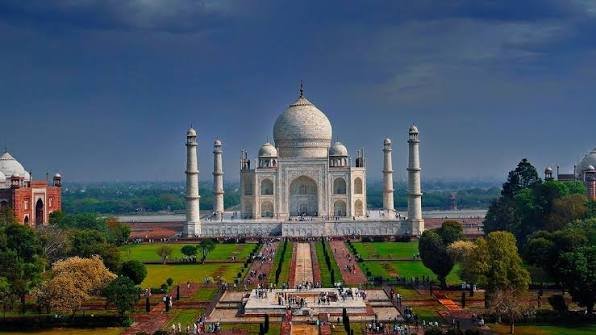
The Taj Mahal is India’s most iconic monument and one of the Seven Wonders of the World. Built by Mughal Emperor Shah Jahan in memory of his beloved wife Mumtaz Mahal, this white marble masterpiece symbolizes eternal love.
Its stunning architecture, intricate carvings, beautiful gardens, and reflecting pools attract millions of visitors every year.
UNESCO Status: 1983
Best Time to Visit: October to March
Top Attractions:
- Main Mausoleum
- Charbagh Gardens
- Yamuna River View
- Sunrise and Sunset Views
2. Qutub Minar, Delhi
Standing at over 72 meters, Qutub Minar is the tallest brick minaret in the world. Built during the Delhi Sultanate, it reflects Indo-Islamic architecture with beautifully carved inscriptions and intricate stonework.
The surrounding Qutub Complex also houses several historic monuments, including the famous Iron Pillar.
UNESCO Status: 1993
Best Time to Visit: October to March
Top Attractions:
- Qutub Minar
- Iron Pillar
- Alai Darwaza
- Quwwat-ul-Islam Mosque
3. Jaipur City, Rajasthan
Known as the “Pink City,” Jaipur became a UNESCO World Heritage Site because of its well-planned urban design, magnificent forts, colorful markets, and royal palaces.
The city beautifully combines Rajput architecture with Mughal influences and remains one of India’s top tourist destinations.
UNESCO Status: 2019
Best Time to Visit: October to March
Top Attractions:
- Hawa Mahal
- City Palace
- Jantar Mantar
- Amber Fort
4. Khajuraho Group of Monuments, Madhya Pradesh
The Khajuraho temples are famous for their exquisite sculptures, detailed carvings, and magnificent Nagara-style architecture. Built by the Chandela dynasty, these temples depict mythology, spirituality, and everyday life.
Only about 25 temples remain today, but they continue to amaze visitors with their artistic excellence.
UNESCO Status: 1986
Best Time to Visit: October to March
Top Attractions:
- Kandariya Mahadev Temple
- Lakshmana Temple
- Chitragupta Temple
- Sound and Light Show
5. Ajanta Caves, Maharashtra
The Ajanta Caves consist of ancient Buddhist rock-cut caves known for their beautiful murals, sculptures, and paintings dating back over 2,000 years.
These caves provide valuable insight into ancient Indian art, religion, and culture.
UNESCO Status: 1983
Best Time to Visit: November to March
Top Attractions:
- Cave Paintings
- Buddhist Monasteries
- Ancient Sculptures
- Scenic Valley Views
6. Ellora Caves, Maharashtra
Located near Aurangabad, the Ellora Caves represent a unique blend of Hindu, Buddhist, and Jain architecture. The magnificent Kailasa Temple, carved entirely from a single rock, is considered one of the greatest engineering achievements in history.
UNESCO Status: 1983
Best Time to Visit: October to March
Top Attractions:
- Kailasa Temple
- Buddhist Caves
- Jain Temples
- Hindu Rock-Cut Shrines
7. Sun Temple, Konark, Odisha
The Konark Sun Temple is an architectural masterpiece designed in the shape of a giant stone chariot dedicated to the Sun God. Built during the 13th century, the temple is famous for its detailed carvings and massive stone wheels.
It is one of India’s finest examples of ancient temple architecture.
UNESCO Status: 1984
Best Time to Visit: October to February
Top Attractions:
- Stone Chariot
- Intricate Sculptures
- Konark Museum
- Konark Dance Festival
8. Kaziranga National Park, Assam
Kaziranga National Park is one of India’s most celebrated natural UNESCO World Heritage Sites. It is globally recognized for protecting the endangered one-horned rhinoceros.
The park also supports elephants, Royal Bengal tigers, wild buffaloes, swamp deer, and hundreds of bird species.
UNESCO Status: 1985
Best Time to Visit: November to April
Top Attractions:
- Jeep Safari
- Elephant Safari
- Bird Watching
- Wildlife Photography
9. Sundarbans National Park, West Bengal
The Sundarbans is the world’s largest mangrove forest and an extraordinary UNESCO World Heritage Site. It is famous for its Royal Bengal Tigers, saltwater crocodiles, dolphins, and unique ecosystem.
Boat safaris through the dense mangroves provide an unforgettable wildlife experience.
UNESCO Status: 1987
Best Time to Visit: September to March
Top Attractions:
- Mangrove Forests
- Boat Safari
- Bird Watching
- Watch Towers
10. Hampi, Karnataka
Hampi was once the prosperous capital of the Vijayanagara Empire and is now one of India’s most fascinating archaeological sites. Massive stone temples, royal palaces, giant boulders, and ancient marketplaces make Hampi a paradise for history lovers.
Its spectacular ruins spread across a dramatic landscape, creating a unique travel experience.
UNESCO Status: 1986
Best Time to Visit: October to February
Top Attractions:
- Virupaksha Temple
- Vittala Temple
- Stone Chariot
- Lotus Mahal
Tips for Visiting UNESCO World Heritage Sites
To make your heritage tour enjoyable and responsible, follow these useful travel tips:
- Visit early in the morning to avoid large crowds.
- Wear comfortable clothing and walking shoes.
- Hire a certified local guide to learn about the site’s history.
- Carry water, sunscreen, and a hat during sightseeing.
- Do not touch or damage ancient monuments and sculptures.
- Respect local customs and maintain cleanliness.
- Purchase entry tickets online whenever possible to save time.
Why Visit UNESCO World Heritage Sites in India?
UNESCO World Heritage Sites represent the finest examples of India’s cultural, historical, architectural, and natural heritage. These destinations preserve centuries of history while offering visitors a chance to admire extraordinary craftsmanship, learn about ancient civilizations, and experience India’s incredible diversity. Exploring these sites is not only educational but also deeply inspiring for travelers of all ages.
Conclusion
India’s UNESCO World Heritage Sites showcase the country’s rich legacy of art, architecture, history, and nature. From the timeless beauty of the Taj Mahal and the ancient temples of Khajuraho to the magnificent caves of Ajanta and Ellora, the wildlife of Kaziranga and Sundarbans, and the royal charm of Jaipur and Hampi, every destination tells a unique story. Whether you are planning a cultural tour, a family vacation, or a history-focused journey, these ten UNESCO World Heritage Sites promise unforgettable experiences and a deeper appreciation of India’s remarkable heritage.