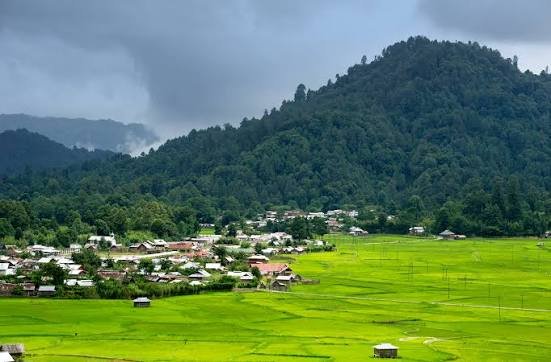
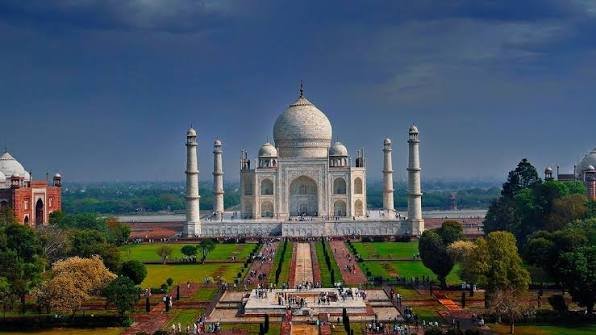
India is known as the land of spirituality, where ancient temples, sacred rivers, monasteries, and holy shrines attract millions of pilgrims and travelers every year. Yes, India is home to some of the world’s most significant spiritual destinations, offering peace, devotion, and a deep connection with history and culture. Whether you seek divine blessings, meditation, or simply wish to explore India’s rich religious heritage, these sacred places provide unforgettable experiences. Here are the 10 best spiritual places to visit in India.
1. Varanasi, Uttar Pradesh
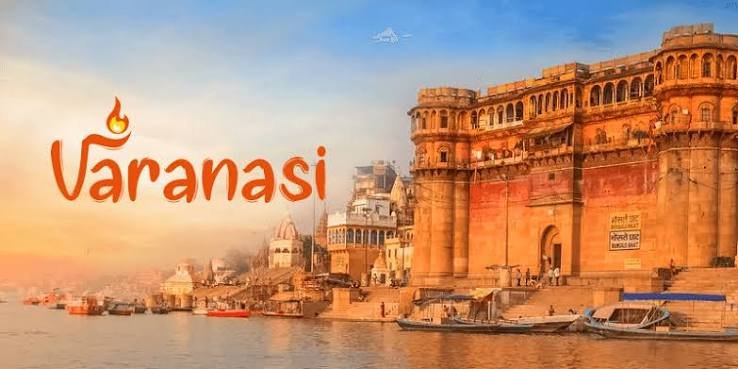
Varanasi, also known as Kashi or Banaras, is one of the oldest living cities in the world and the spiritual capital of India. Situated on the banks of the holy River Ganga, it is believed that taking a dip in the river washes away sins and helps attain salvation.
The mesmerizing Ganga Aarti at Dashashwamedh Ghat is one of the city’s biggest attractions. Devotees also visit the famous Kashi Vishwanath Temple dedicated to Lord Shiva.
Best Time to Visit: October to March
Top Attractions:
- Kashi Vishwanath Temple
- Dashashwamedh Ghat
- Assi Ghat
- Ganga Aarti
- Sarnath
2. Haridwar, Uttarakhand
Haridwar is one of the seven holiest cities in Hinduism. Located on the banks of the River Ganga, it is famous for its spiritual atmosphere and religious ceremonies.
Thousands of pilgrims gather every evening to witness the breathtaking Ganga Aarti at Har Ki Pauri. Haridwar is also one of the four locations where the Kumbh Mela is celebrated.
Best Time to Visit: September to April
Top Attractions:
- Har Ki Pauri
- Mansa Devi Temple
- Chandi Devi Temple
- Bharat Mata Mandir
3. Rishikesh, Uttarakhand
Known as the “Yoga Capital of the World,” Rishikesh attracts spiritual seekers, yoga enthusiasts, and meditation practitioners from across the globe. Situated beside the Ganga River and surrounded by the Himalayas, the town offers a peaceful environment for self-discovery.
Apart from temples and ashrams, visitors can attend yoga sessions, meditation retreats, and the evening Ganga Aarti at Triveni Ghat.
Best Time to Visit: September to April
Top Attractions:
- Triveni Ghat
- Laxman Jhula
- Ram Jhula
- Parmarth Niketan Ashram
4. Amritsar, Punjab
Amritsar is home to the magnificent Golden Temple, the holiest shrine of Sikhism. The temple’s golden architecture, peaceful surroundings, and sacred Sarovar create an unforgettable spiritual experience.
Visitors can also participate in the community kitchen (Langar), where free meals are served daily to thousands of people regardless of religion or background.
Best Time to Visit: October to March
Top Attractions:
- Golden Temple
- Akal Takht
- Jallianwala Bagh
- Wagah Border
5. Bodh Gaya, Bihar
Bodh Gaya is one of the most important pilgrimage sites for Buddhists worldwide. It is the place where Gautama Buddha attained enlightenment under the sacred Bodhi Tree.
The Mahabodhi Temple, a UNESCO World Heritage Site, attracts monks, pilgrims, and tourists seeking peace and spiritual wisdom.
Best Time to Visit: October to March
Top Attractions:
- Mahabodhi Temple
- Bodhi Tree
- Great Buddha Statue
- Thai Monastery
6. Tirupati, Andhra Pradesh
Tirupati is among the richest and most visited pilgrimage destinations in the world. The Sri Venkateswara Temple on Tirumala Hills is dedicated to Lord Venkateswara, an incarnation of Lord Vishnu.
Millions of devotees visit every year to seek blessings and participate in sacred rituals.
Best Time to Visit: September to March
Top Attractions:
- Sri Venkateswara Temple
- Akasa Ganga
- Sri Padmavathi Temple
- Silathoranam
7. Vaishno Devi, Jammu & Kashmir
The Vaishno Devi Temple is one of India’s most sacred pilgrimage sites. Located in the Trikuta Hills, devotees undertake a 13-kilometer trek to reach the holy cave shrine dedicated to Mata Vaishno Devi.
The journey itself is considered spiritually rewarding and filled with devotion.
Best Time to Visit: March to October
Top Attractions:
- Vaishno Devi Bhawan
- Ardhkuwari Cave
- Bhairavnath Temple
- Scenic Trek Route
8. Shirdi, Maharashtra
Shirdi is famous as the home of Sai Baba, one of India’s most respected spiritual saints. Devotees from different religions visit Shirdi to seek blessings and experience the peaceful atmosphere of the temple.
The Sai Baba Samadhi Mandir remains the center of devotion throughout the year.
Best Time to Visit: October to March
Top Attractions:
- Sai Baba Samadhi Mandir
- Dwarkamai
- Chavadi
- Gurusthan
9. Kedarnath, Uttarakhand
Kedarnath is one of the twelve Jyotirlingas of Lord Shiva and an important part of the Char Dham Yatra. Surrounded by the majestic Himalayas, the temple offers a truly divine and scenic experience.
Pilgrims undertake a trek through breathtaking mountain landscapes to reach the temple.
Best Time to Visit: May to June and September to October
Top Attractions:
- Kedarnath Temple
- Bhairavnath Temple
- Vasuki Tal
- Adi Shankaracharya Samadhi
10. Puri, Odisha
Puri is one of the four sacred Char Dham pilgrimage sites in Hinduism. The Jagannath Temple is famous for its unique traditions and the world-renowned Rath Yatra festival.
The city’s peaceful beaches and spiritual ambiance make it a perfect destination for pilgrims and tourists alike.
Best Time to Visit: October to February
Top Attractions:
- Jagannath Temple
- Puri Beach
- Gundicha Temple
- Konark Sun Temple (nearby)
Tips for Visiting Spiritual Places in India
To make your spiritual journey meaningful and comfortable, keep these tips in mind:
- Dress modestly and respectfully while visiting religious sites.
- Follow the customs and guidelines of each place of worship.
- Remove footwear before entering temples, gurudwaras, and certain monasteries.
- Carry drinking water and comfortable footwear for long walks or treks.
- Visit early in the morning to avoid crowds.
- Maintain silence and respect the religious sentiments of devotees.
- Help keep sacred places clean by avoiding littering.
Why Visit Spiritual Destinations in India?
India’s spiritual destinations are more than just places of worship—they are centers of history, culture, architecture, and inner peace. They offer travelers an opportunity to experience ancient traditions, participate in religious festivals, enjoy local cuisine, and connect with diverse communities. Whether you follow a particular faith or simply wish to explore India’s rich heritage, these destinations provide a memorable and enriching experience.
Conclusion
India’s spiritual landscape reflects centuries of faith, devotion, and cultural diversity. From the sacred ghats of Varanasi and Haridwar to the peaceful monasteries of Bodh Gaya, the divine temples of Tirupati, Kedarnath, and Puri, and the serene atmosphere of Amritsar and Shirdi, every destination offers a unique spiritual journey. Whether you are seeking blessings, inner peace, or cultural exploration, these ten spiritual places promise unforgettable experiences that nourish both the mind and soul.