A home loan is usually a long-term financial commitment that can continue for 15 to 30 years. During this period, interest rates may change, lenders may introduce more competitive offers, and your financial circumstances may improve. If you are paying a high interest rate on your existing home loan, continuing with the same lender may not always be the most economical option. You may be able to reduce your borrowing cost by transferring your outstanding loan to another bank or housing finance company.
This process is known as a home loan balance transfer. It allows borrowers to move their existing home loan from one lender to another, usually to obtain a lower interest rate or better repayment conditions. However, transferring a loan involves paperwork, eligibility checks, and possible additional charges. Therefore, it is important to calculate the actual savings before making a decision.
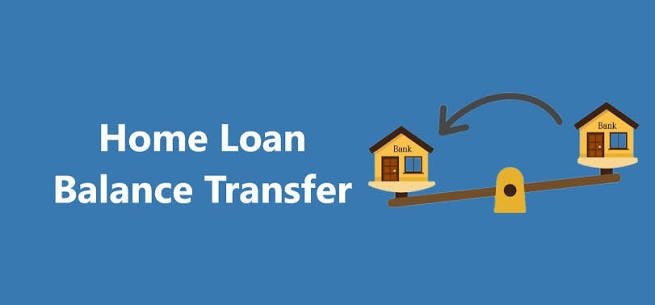
What Is a Home Loan Balance Transfer?
A home loan balance transfer is a facility through which a borrower transfers the outstanding principal amount of an existing home loan from one lender to another.
The new lender pays the outstanding loan amount to your existing lender and takes over the loan. You then continue repaying the balance to the new lender under the revised interest rate and repayment terms.
For example, suppose you have an outstanding home loan of ₹40 lakh with a bank charging 9.5% interest. Another bank offers you an interest rate of 8.5%. If you qualify for the new offer, transferring your loan may reduce your monthly EMI and total interest payable.
The exact benefit depends on the remaining loan tenure, outstanding principal, processing fees, legal expenses, and other applicable charges.
How Does a Home Loan Balance Transfer Work?
The balance transfer process generally involves the following steps:
Compare Lenders: Research different banks and housing finance companies offering home loan balance transfer facilities. Compare interest rates, processing fees, repayment conditions, and customer service.
Check Your Eligibility: The new lender evaluates your income, credit score, repayment history, existing loan details, and property documents.
Apply for the Transfer: Submit the application along with the required financial and property-related documents.
Submit Existing Loan Details: Your current lender may need to provide an outstanding loan statement, repayment history, and foreclosure or closure-related documents.
Property and Legal Verification: The new lender may conduct legal and technical checks to verify the property and the existing mortgage.
Loan Settlement: After approval, the new lender pays the outstanding amount to your existing lender according to the agreed process.
Start Repayment: Once the transfer is completed, you begin paying EMIs to the new lender under the revised loan terms.
Benefits of a Home Loan Balance Transfer
Transferring your home loan can offer several financial advantages when the new lender provides genuinely better terms.
Lower Interest Rate
The biggest reason borrowers consider a balance transfer is the possibility of obtaining a lower interest rate. Even a small reduction can make a difference when the outstanding loan amount is large and the remaining tenure is long.
Reduced Monthly EMI
If the new lender offers a lower interest rate and you retain the remaining tenure, your monthly EMI may decrease. This can improve your monthly cash flow and make household budgeting easier.
Lower Total Interest Cost
A lower interest rate can reduce the total interest payable over the remaining loan period. The benefit is usually more significant when the loan is transferred during its early or middle years, when a substantial principal balance remains.
Better Loan Terms and Services
A new lender may offer more convenient digital services, flexible repayment options, better customer support, or more suitable loan management facilities.
However, check the actual terms rather than relying only on promotional offers.
When Should You Consider a Home Loan Balance Transfer?
A balance transfer is not necessary for every borrower. It is worth considering in the following situations.
When Your Existing Interest Rate Is High: If your current lender charges a significantly higher rate than other lenders, compare the potential savings from transferring your loan.
When a Large Principal Amount Is Outstanding: A lower interest rate generally provides greater savings when a substantial loan balance remains. If you have already repaid most of your principal, the benefit may be limited.
When You Have a Long Repayment Period Remaining: Borrowers with many years left on their home loan may benefit more from a lower interest rate than those close to completing repayment.
When Your Credit Profile Has Improved: If your credit score and income have improved since you first obtained the loan, you may qualify for better interest rate offers.
When Your Current Lender Does Not Offer Competitive Terms: If your existing lender is unwilling to provide a suitable rate revision, comparing other lenders may be worthwhile.
Example: How Much Can You Save Through a Balance Transfer?
Consider the following illustrative example:
- Outstanding home loan: ₹40 lakh
- Remaining tenure: 15 years
- Existing interest rate: 9.5%
- New interest rate: 8.5%
| Particulars | Existing Loan | After Balance Transfer |
| Outstanding principal | ₹40 lakh | ₹40 lakh |
| Interest rate | 9.5% | 8.5% |
| Remaining tenure | 15 years | 15 years |
| Approximate EMI | ₹41,800 | ₹39,400 |
In this example, the monthly EMI decreases by approximately ₹2,400. The borrower may also save a considerable amount in total interest over the remaining repayment period.
These figures are estimates based on standard monthly reducing-balance calculations. Actual savings depend on the lender’s interest calculation, rate changes, payment dates, and transfer-related expenses.
What Are the Charges Involved in a Home Loan Balance Transfer?
A balance transfer may involve additional costs that reduce your overall savings. Common expenses include:
- Processing fee: The new lender may charge a fee for processing the application.
- Legal verification charges: Fees may apply for examining property ownership and legal documents.
- Technical valuation charges: The lender may arrange a property inspection and valuation.
- Documentation expenses: Certain administrative or documentation charges may apply.
- Mortgage-related charges: Applicable statutory or registration-related expenses may arise depending on the transaction and state requirements.
For floating-rate home loans to individual borrowers, prepayment charges are generally prohibited under applicable RBI directions. However, check the terms of your existing loan, especially if it is fixed-rate or falls under a different category.
Before transferring, calculate the net savings after deducting all applicable costs.
Documents Required for Home Loan Balance Transfer
Although requirements vary by lender, borrowers commonly need the following documents:
- Identity proof and address proof.
- PAN card and photographs.
- Salary slips or income tax returns, as applicable.
- Bank statements.
- Existing home loan sanction letter.
- Latest outstanding loan statement.
- Repayment track record.
- Property ownership and registration documents.
- Existing lender’s loan account details and other required mortgage documents.
The new lender may request additional documents depending on your employment status, property type, and loan profile.
When Should You Avoid a Home Loan Balance Transfer?
A balance transfer may not be beneficial in every situation. Avoid rushing into one when:
- Your existing loan has only a few years remaining.
- The interest rate difference is very small.
- Processing and legal charges consume most of the expected savings.
- Your credit score or repayment history makes approval difficult.
- The new lender offers an attractive introductory rate but less favourable future terms.
- The transfer requires restarting the loan with a much longer tenure, increasing total interest payable.
Always compare the total remaining repayment cost rather than focusing only on the new EMI.
Conclusion
A home loan balance transfer allows borrowers to move their outstanding home loan from one lender to another, usually to obtain a lower interest rate or more suitable repayment conditions. It can reduce monthly EMIs and total interest costs, particularly when a large principal balance and long repayment period remain.
However, transferring a loan involves eligibility checks, documentation, and additional expenses. Before making a decision, compare multiple lenders, calculate the net savings, and review the revised loan terms carefully. A balance transfer is worthwhile only when the overall financial benefit is greater than the cost and inconvenience of switching lenders.
Frequently Asked Questions (FAQs)
Q. What is the meaning of a home loan balance transfer?
A home loan balance transfer means moving the outstanding principal of an existing home loan from one bank or housing finance company to another, generally to obtain better interest rates or repayment conditions.
Q. Can I transfer my home loan to another bank?
Yes. You can apply to transfer your existing home loan to another bank or eligible housing finance company, subject to the new lender’s eligibility requirements and property verification.
Q. Does a home loan balance transfer reduce EMI?
It can reduce your EMI if the new lender offers a lower interest rate and you maintain the remaining repayment tenure. The actual reduction depends on the outstanding principal and loan terms.
Q. Is there any fee for a home loan balance transfer?
The new lender may charge processing, legal verification, valuation, and documentation fees. Check all applicable costs before proceeding.