Every house, apartment, school, factory, warehouse, boundary wall, and commercial building in India begins with one basic construction material — bricks. Long before modern real-estate towers and smart-city projects emerged, bricks were already forming the foundation of Indian construction.
Even today, despite the rise of cement blocks and modern prefabricated materials, bricks remain one of the country’s most widely used building products.
At the same time, India’s rapid urbanisation, highway projects, rural housing schemes, warehouse construction, and real-estate expansion continue creating massive demand for construction materials across the country.
This has transformed brick making from a small seasonal local activity into a large-scale construction-material business.
Unlike trend-driven businesses that depend heavily on changing consumer behavior, brick demand remains closely connected to infrastructure and housing development — sectors that continue growing year after year.
A Business Connected to Construction and Infrastructure Growth
India’s housing and infrastructure industries continue expanding rapidly.
Several factors continue driving brick demand:
- Growth of residential housing
- Expansion of commercial construction
- Government infrastructure projects
- Rural housing schemes
- Industrial warehouse development
- Increasing urbanisation
Construction activity directly affects brick consumption levels.
Types of Brick Making Businesses
1. Traditional Clay Brick Manufacturing
The most common brick-making model in India.
2. Fly Ash Brick Manufacturing
Eco-friendly bricks made using industrial waste materials.
3. Concrete Brick Manufacturing
Cement-based bricks for modern construction projects.
4. Hollow and Lightweight Brick Production
Used for insulation and modern structural applications.
5. Interlocking Brick Manufacturing
Popular in landscaping and modern paving systems.
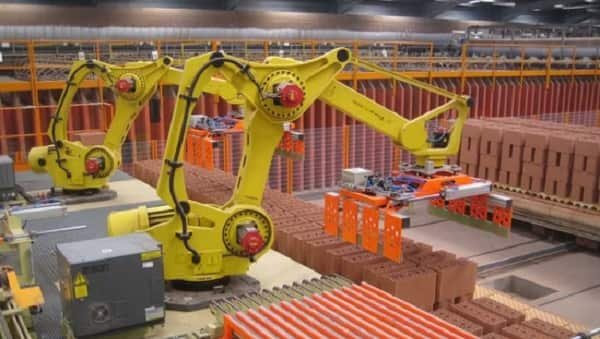
6. Automated Brick Plants
Large-scale machine-based high-volume production.
Investment Required: Moderate to High
Brick manufacturing usually requires land, machinery, labour, and raw-material management.
A small traditional brick kiln setup may require ₹5–25 lakh including:
- Land and kiln setup
- Clay or raw materials
- Labour arrangements
- Moulding equipment
- Transportation systems
A modern automated fly-ash or concrete-brick plant may require ₹50 lakh–₹10 crore or more depending on scale and machinery.
Land availability and logistics play extremely important roles in profitability.
Revenue and Profit Potential
Brick making can become highly profitable because construction demand remains continuous across India.
Revenue sources may include:
- Builder and contractor supply
- Government project contracts
- Local construction material sales
- Bulk infrastructure orders
- Retail dealer distribution
For example:
- Large housing projects generate bulk recurring demand.
- Fly-ash bricks often benefit from environmental preference and government support.
- Efficient transportation management improves margins significantly.
A well-managed brick business can generate strong seasonal and project-based revenue. Net profit margins generally range between 10–30% depending on fuel costs, raw materials, labour efficiency, and scale of production.
Manufacturers with strong contractor networks often scale especially well.
What Makes This Business Successful
1. Consistent Brick Quality
Strength and durability matter heavily in construction.
2. Efficient Production Management
Large-scale production improves cost efficiency.
3. Strong Builder Relationships
Contractors and developers create recurring business opportunities.
4. Proper Location
Factories near construction zones reduce transport costs.
5. Fuel and Raw-Material Control
Cost management directly affects profitability.
Challenges to Prepare For
1. Seasonal Dependency
Rainy seasons can affect traditional brick production heavily.
2. Labour Management
Brick manufacturing often requires large manual workforce.
3. Transportation Costs
Bricks are heavy and expensive to transport long distances.
4. Environmental Regulations
Traditional kilns face increasing pollution-control pressure.
5. Fuel-Cost Fluctuations
Coal and energy costs strongly affect margins.
Brick businesses that modernize operations and maintain quality standards usually survive long term much more successfully.
How to Increase Profitability
1. Shift Toward Fly-Ash Bricks
Eco-friendly products are increasingly preferred.
2. Partner With Builders and Contractors
Construction networks improve bulk-order stability.
3. Invest in Semi-Automation
Automation improves production efficiency and consistency.
4. Reduce Transportation Inefficiencies
Location planning significantly affects margins.
5. Build Dealer Networks
Local distributors improve market reach steadily.
Brick Manufacturing vs Cement Block Business
Traditional bricks remain highly popular for residential construction. Cement blocks and AAC blocks are increasingly used in modern commercial projects because of faster installation and lighter weight.
Brick manufacturing usually benefits from deep-rooted market familiarity and mass demand.
However, modern eco-friendly alternatives are increasing competition gradually.
The Future of Brick Making Business in India
The future remains strong because India’s housing demand and infrastructure expansion continue at massive scale.
Government housing schemes, industrial growth, and urban construction projects are likely to maintain long-term brick demand for many years.
At the same time, environmental regulations may push the industry increasingly toward fly-ash bricks and cleaner manufacturing technologies.
The Verdict: A Traditional Construction Business With Strong Long-Term Demand
Brick making is no longer just a seasonal rural kiln operation serving nearby villages. It has evolved into a major construction-material industry connected closely to housing, infrastructure, urbanisation, and industrial development.
Entrepreneurs who maintain product quality, efficient production systems, proper logistics, and strong contractor relationships often build highly stable and scalable manufacturing businesses.
In a country where millions of homes, roads, warehouses, factories, and commercial buildings continue being constructed every year, bricks are likely to remain one of India’s most essential construction products for decades ahead.
Frequently Asked Questions (FAQs)
Q1. Which brick type is becoming most popular today?
A: Fly-ash bricks and concrete blocks are gaining popularity because of environmental benefits and consistent quality.
Q2. Why is location important in brick business?
A: Because transportation costs heavily affect profitability due to the weight and bulkiness of bricks.
Q3. Is brick manufacturing still profitable despite modern alternatives?
A: Yes. Traditional bricks continue seeing massive demand in residential and rural construction markets.
Q4. What is the biggest challenge in brick making business?
A: Fuel costs, labour management, and seasonal production disruptions are major challenges.
Q5. Can small brick manufacturers compete against large factories?
A: Absolutely. Many local manufacturers succeed through regional contractor relationships and nearby supply advantages.
Q6. Is government infrastructure growth helping this business?
A: Very strongly. Housing projects, highways, warehouses, and industrial development continue increasing brick demand across India.