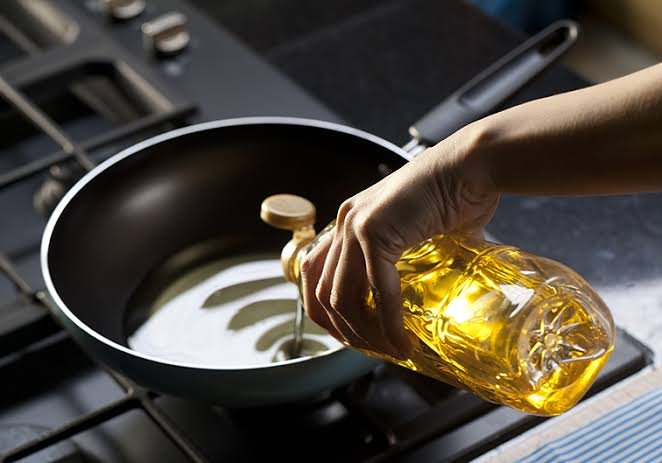
Deep frying is a popular cooking method used to prepare crispy and flavorful foods such as samosas, pakoras, French fries, fried chicken, and puris. Many households and restaurants reuse cooking oil to reduce waste and save money. While reusing oil occasionally can be safe when handled properly, repeatedly heating the same oil causes it to break down. Over time, the oil loses its quality, affects the taste of food, and may form harmful compounds. Knowing when to replace cooking oil is essential for preparing safe and delicious fried foods.
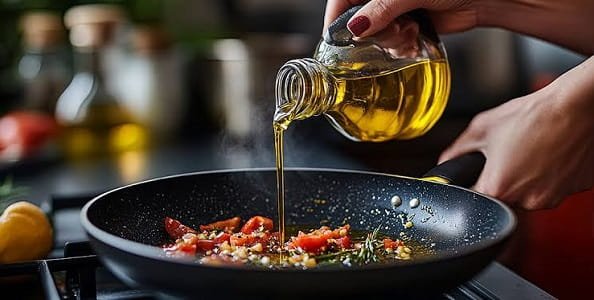
Why Does Cooking Oil Deteriorate?
Cooking oil changes when it is exposed to high temperatures during deep frying. Heat, oxygen, water from food, and tiny food particles gradually damage the oil through oxidation and other chemical reactions. As a result, the oil becomes darker, thicker, and less stable.
The rate of deterioration depends on factors such as:
- Frying temperature
- Type of cooking oil
- Number of times the oil is reused
- Type of food being fried
- Presence of food crumbs and moisture
Oils with higher smoke points, such as refined peanut, rice bran, sunflower, or canola oil, generally tolerate deep frying better than oils with lower smoke points.
Signs That Cooking Oil Should Be Replaced
Rather than counting the number of times oil has been used, it is better to look for visible and noticeable signs of deterioration.
1. Dark Color
Fresh cooking oil usually has a light golden or pale color. If it becomes very dark brown or almost black after repeated frying, it should be discarded.
2. Unpleasant Smell
Fresh oil has a mild aroma. Oil that smells burnt, sour, stale, or rancid is no longer suitable for cooking.
3. Excessive Smoke
If the oil starts smoking at normal frying temperatures, it may have reached or exceeded its smoke point due to repeated use. This is a clear sign that it should be replaced.
4. Thick or Sticky Texture
Healthy frying oil flows easily. Old oil often becomes thicker, sticky, or gummy because of chemical changes caused by repeated heating.
5. Foaming During Frying
If excessive foam appears on the surface while frying, the oil may have degraded and should be discarded.
6. Poor Food Quality
When food absorbs too much oil, cooks unevenly, or develops an unpleasant taste, the oil may no longer be in good condition.
How Many Times Can You Reuse Cooking Oil?
There is no universal rule for the exact number of times cooking oil can be reused because it depends on how it is handled.
In general:
- Oil used for frying vegetables may last longer than oil used for battered or breaded foods.
- Oil should not be repeatedly reheated over many days.
- If the oil shows any signs of deterioration, replace it immediately, regardless of how many times it has been used.
For home cooking, limiting reuse and using fresh oil regularly is the safest approach.
Tips to Extend the Life of Frying Oil
Proper handling can help maintain oil quality for a longer period.
1. Filter the Oil
Allow the oil to cool completely after frying and strain it through a fine mesh sieve or clean filter to remove food particles. Leftover crumbs burn during the next use and accelerate oil deterioration.
2. Avoid Overheating
Maintain a frying temperature of approximately 170°C to 190°C (340°F to 375°F). Extremely high temperatures cause oil to break down more quickly.
3. Keep Water Away
Water causes oil to splatter and speeds up degradation. Pat foods dry before frying whenever possible.
4. Store Properly
Store cooled, filtered oil in a clean, airtight container away from direct sunlight and heat. Proper storage slows oxidation.
5. Avoid Mixing Fresh and Old Oil
Adding fresh oil to heavily used oil does not restore its quality. Replace degraded oil instead of trying to dilute it.
Choosing the Right Oil for Deep Frying
Some oils are better suited for deep frying because of their high smoke points and stability.
Common choices include:
- Refined peanut oil
- Rice bran oil
- Sunflower oil
- Canola oil
- Refined soybean oil
Choose an oil appropriate for high-temperature cooking and follow the manufacturer’s storage recommendations.
Safe Disposal of Used Cooking Oil
Never pour used cooking oil down the sink or toilet, as it can clog pipes and harm the environment.
Instead:
- Allow the oil to cool completely.
- Pour it into a sealed container.
- Dispose of it according to local waste disposal or recycling guidelines.
- Some communities offer used cooking oil recycling programs.
Common Mistakes to Avoid
To keep fried foods safe and tasty, avoid these common errors:
- Reusing oil until it becomes very dark.
- Frying at excessively high temperatures.
- Leaving food crumbs in the oil.
- Storing oil in open containers.
- Reusing oil with a burnt or rancid smell.
Conclusion
Replacing cooking oil at the right time is essential for both food quality and safety. Instead of relying on a fixed number of uses, pay attention to signs such as dark color, unpleasant odor, excessive smoke, foaming, thick texture, and poor frying performance. Proper filtering, correct frying temperatures, and appropriate storage can help extend the life of cooking oil, but even well-maintained oil has a limited lifespan. By replacing degraded oil promptly and using fresh, high-quality cooking oil when needed, you can prepare crisp, flavorful fried foods while reducing unnecessary health and safety risks.