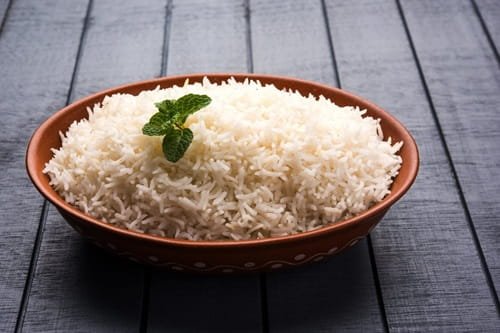
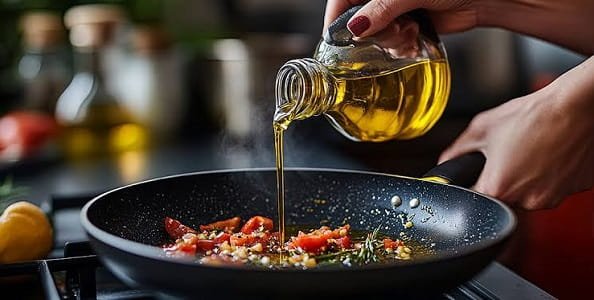
Indian cuisine is renowned for its rich flavors, vibrant colors, and aromatic dishes, and spices are at the heart of this culinary tradition. Whether you’re preparing a simple dal, a flavorful curry, or a festive biryani, the right combination of spices can transform ordinary ingredients into delicious meals. Every Indian kitchen typically keeps a basic collection of essential spices that are used daily in a wide variety of recipes. These spices not only enhance taste and aroma but also contribute color and depth to dishes.
If you’re setting up an Indian kitchen or want to understand the essentials of Indian cooking, here are the must-have spices that deserve a place in your spice box.
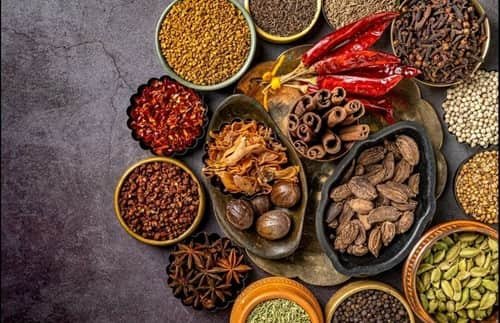
1. Turmeric Powder (Haldi)
Turmeric is one of the most commonly used spices in Indian cooking. It has a warm, earthy flavor and gives dishes their characteristic golden-yellow color.
It is commonly added to:
- Dal
- Vegetable curries
- Rice dishes
- Soups
- Marinades
Turmeric also contains curcumin, a natural compound with antioxidant and anti-inflammatory properties, making it popular in traditional wellness practices.
2. Cumin Seeds (Jeera)
Cumin seeds have a warm, nutty flavor and are widely used for tempering (tadka). When roasted or fried in oil or ghee, they release a rich aroma that forms the base of many Indian dishes.
Common uses include:
- Dal
- Vegetable sabzis
- Rice
- Raita
- Chutneys
Ground cumin powder is also used in spice blends and seasoning mixes.
3. Coriander Powder (Dhania Powder)
Made from dried coriander seeds, coriander powder has a mild, citrus-like flavor that balances stronger spices.
It is an essential ingredient in:
- Curry gravies
- Dry vegetable dishes
- Lentil recipes
- Marinades
- Spice blends
It adds depth without making food overly spicy.
4. Red Chili Powder (Lal Mirch)
Red chili powder adds heat and vibrant color to Indian dishes.
Different varieties provide varying levels of spiciness. Kashmiri red chili powder is especially popular because it gives dishes a bright red color with relatively mild heat.
It is commonly used in:
- Curries
- Pickles
- Marinades
- Snacks
- Tandoori dishes
5. Mustard Seeds (Rai or Sarson)
Mustard seeds are widely used in South Indian, Bengali, Gujarati, and Maharashtrian cooking.
When added to hot oil, they crackle and release a distinctive flavor that enhances many recipes.
They are commonly used in:
- Sambhar
- Coconut chutney
- Pickles
- Vegetable stir-fries
- Tempering for dals
6. Garam Masala
Garam masala is a fragrant blend of several spices such as cinnamon, cloves, cardamom, black pepper, cumin, and coriander.
Rather than adding heat, it provides warmth and complexity to dishes.
It is usually added near the end of cooking in:
- Paneer dishes
- Chicken curry
- Dal makhani
- Vegetable curries
- Biryani
7. Asafoetida (Hing)
Asafoetida is a strong-smelling spice used in very small quantities.
When cooked, it develops a savory flavor that complements lentils and vegetables.
It is commonly used in:
- Dal
- Kadhi
- Potato dishes
- Tempering
- Jain cooking as an alternative to onion and garlic
8. Fenugreek Seeds (Methi)
Fenugreek seeds have a slightly bitter taste and are used in moderation.
They are commonly found in:
- Pickles
- Spice blends
- Curries
- Tempering
- Traditional vegetable dishes
Dried fenugreek leaves (kasuri methi) are also widely used to add a rich aroma to restaurant-style curries.
9. Black Pepper (Kali Mirch)
Black pepper adds a sharp, spicy flavor and is often used whole or freshly ground.
It is commonly added to:
- Soups
- Curries
- Marinades
- Masala chai
- Spice blends
Whole peppercorns are also used in biryani and pulao.
10. Cardamom (Elaichi)
Cardamom is known for its sweet, refreshing aroma.
There are two main types:
- Green cardamom for desserts and beverages
- Black cardamom for rich curries and rice dishes
Cardamom is commonly used in:
- Kheer
- Tea
- Biryani
- Sweets
- Garam masala
11. Cinnamon (Dalchini)
Cinnamon has a warm, sweet flavor and is used in both savory and sweet dishes.
It is often added to:
- Biryani
- Pulao
- Curry gravies
- Desserts
- Masala tea
Whole cinnamon sticks are commonly used during the tempering stage.
12. Cloves (Laung)
Cloves have an intense aroma and slightly sweet flavor.
They are frequently included in:
- Biryani
- Rice dishes
- Garam masala
- Tea
- Meat curries
Only a few cloves are needed because of their strong taste.
Tips for Storing Indian Spices
Proper storage helps preserve flavor and aroma.
- Store spices in airtight containers.
- Keep them away from direct sunlight and moisture.
- Buy whole spices when possible and grind them as needed.
- Label containers with purchase dates.
- Replace old spices periodically, as they gradually lose their potency.
Building a Basic Indian Spice Box
A traditional Indian spice box, often called a masala dabba, usually includes:
- Turmeric powder
- Red chili powder
- Coriander powder
- Cumin seeds
- Mustard seeds
- Garam masala
- Asafoetida
These spices form the foundation for preparing hundreds of Indian recipes.
Conclusion
The unique flavors of Indian cuisine come from the thoughtful use of spices rather than excessive heat. Essential spices such as turmeric, cumin, coriander, red chili, mustard seeds, garam masala, asafoetida, fenugreek, black pepper, cardamom, cinnamon, and cloves create the rich aromas and balanced flavors found in countless traditional dishes. By stocking these must-have spices and storing them properly, you can prepare a wide variety of authentic Indian meals at home. Whether you’re making a simple everyday dal or an elaborate festive feast, these spices are the key to bringing the true taste of Indian cooking to your kitchen.