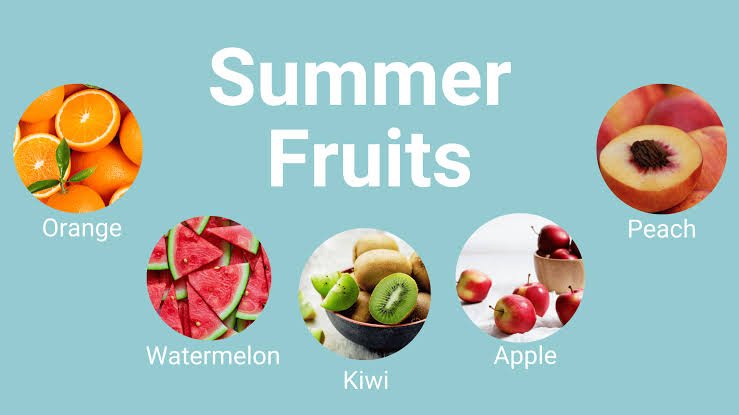
Fruits are among the healthiest foods you can include in your daily diet. They are naturally rich in vitamins, minerals, antioxidants, fiber, and water, making them an excellent choice for overall health. However, one question that often comes up is: Should you eat fruits before meals or after meals? While there are many myths surrounding the timing of fruit consumption, the answer depends on your health goals, digestive comfort, and personal preferences.
In general, there is no strict rule that fruits must be eaten only before or after meals. Both options can be healthy, but each has its own advantages. Understanding how your body responds can help you choose the best time to enjoy your favorite fruits.
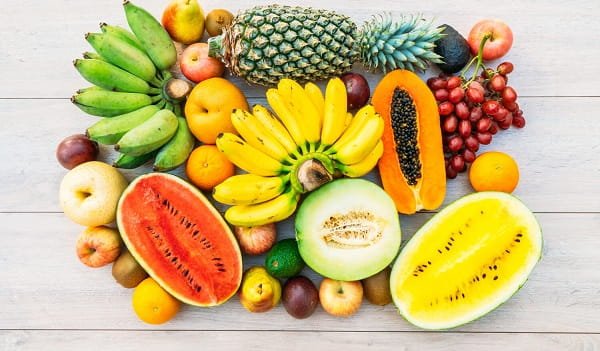
Benefits of Eating Fruits Before Meals
Eating fruits about 30 to 60 minutes before a meal can offer several benefits.
1. Improves Satiety
Fruits are high in dietary fiber and water, which help you feel full before eating your main meal. This can reduce overeating and support healthy weight management.
2. Supports Digestion
Fruits are generally digested faster than foods rich in protein or fat. Eating them before meals allows your digestive system to process them efficiently.
3. Better Hydration
Many fruits, such as watermelon, oranges, and strawberries, contain over 80% water. Eating them before meals helps improve hydration, especially during hot weather.
4. Helps Weight Loss
If your goal is to lose weight, having a fruit as a pre-meal snack may reduce your overall calorie intake while providing essential nutrients.
Benefits of Eating Fruits After Meals
Eating fruits after meals can also be a healthy habit for many people.
1. A Healthy Dessert Alternative
Replacing sugary desserts with fresh fruits helps reduce added sugar intake while satisfying sweet cravings naturally.
2. Adds Extra Nutrients
Having fruit after a balanced meal increases your intake of vitamins, minerals, and antioxidants without relying on processed sweets.
3. Helps Meet Daily Fruit Intake
Some people find it easier to remember eating fruits after meals rather than separately, helping them achieve the recommended daily servings.
Does Eating Fruit After Meals Cause Fermentation?
A common myth suggests that eating fruit after meals causes fermentation in the stomach and leads to bloating or digestive problems.
For most healthy people, this claim is not supported by scientific evidence. The stomach mixes all foods together before gradually releasing them into the small intestine for digestion. Fruits do not simply “sit on top” of other foods and ferment.
However, individuals with digestive disorders such as irritable bowel syndrome (IBS), acid reflux, or delayed stomach emptying may notice discomfort after large meals that include fruit. In such cases, eating fruit separately may feel more comfortable.
Best Time to Eat Fruits for Weight Loss
If your goal is weight management, eating fruits:
- Before breakfast
- Between meals
- Before lunch
- Before dinner
can help reduce hunger and prevent overeating.
High-fiber fruits like apples, pears, guava, and oranges are especially filling and make excellent healthy snacks.
Best Fruits to Eat Before Meals
Some fruits work particularly well before meals because they are rich in fiber and water.
Examples include:
- Apple
- Orange
- Pear
- Guava
- Papaya
- Watermelon
- Muskmelon
- Kiwi
These fruits help control appetite while providing essential nutrients.
Best Fruits to Eat After Meals
If you prefer fruit after meals, choose fruits that are light and refreshing.
Good options include:
- Papaya
- Pineapple
- Berries
- Kiwi
- Pomegranate
- Orange
Papaya and pineapple contain natural enzymes that may help break down certain food components, although their overall effect on digestion is modest.
Who Should Be Careful?
Certain individuals may need to pay attention to when they eat fruits.
1. People with Diabetes
People with diabetes should monitor portion sizes and pair fruits with protein or healthy fats if advised by their healthcare provider to help manage blood sugar levels.
2. People with Acid Reflux
Citrus fruits eaten immediately after large meals may worsen symptoms in some individuals.
3. People with Digestive Disorders
Those with IBS or sensitive digestion may benefit from eating fruits separately from heavy meals if they notice discomfort.
Practical Tips
To get the most benefits from fruits:
- Eat whole fruits instead of fruit juices.
- Wash fruits thoroughly before eating.
- Include a variety of colorful fruits throughout the week.
- Avoid adding excessive sugar, salt, or cream.
- Consume seasonal fruits whenever possible.
- Store fruits properly to maintain freshness and nutritional quality.
Which Is Better: Before or After Meals?
For most healthy adults, both options are perfectly acceptable. If your goal is weight management, appetite control, or staying full longer, eating fruits before meals may be slightly more beneficial. If you simply enjoy fruit as a healthy dessert and experience no digestive discomfort, eating it after meals is also a nutritious choice.
The most important factor is consistency. Regularly eating a variety of fruits is far more important than worrying about the exact timing.
Conclusion
The debate over whether to eat fruits before or after meals does not have a one-size-fits-all answer. Both approaches can support a healthy diet, depending on your lifestyle, digestion, and health goals. Eating fruits before meals may help with appetite control and weight management, while enjoying them after meals offers a nutritious alternative to sugary desserts. Instead of focusing solely on timing, prioritize eating fresh, whole fruits every day as part of a balanced diet. By doing so, you can enjoy their many health benefits while supporting long-term wellness.