Soaking dal (lentils) and rice before cooking is a traditional practice followed in many Indian households. While it may seem like an extra step, soaking offers several practical benefits that improve the quality of your meals. From reducing cooking time to enhancing texture and supporting better digestion, this simple habit can make a noticeable difference. Although some types of rice and lentils can be cooked without soaking, taking a little time to soak them often results in tastier and more evenly cooked dishes.
What Happens During Soaking?
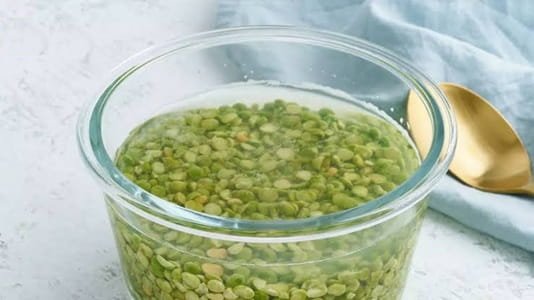
When dal or rice is soaked in water, the grains absorb moisture and begin to soften. This process allows water to penetrate the outer layer, making the grains easier to cook. Soaking also loosens dust and excess surface starch, which can improve the texture of the final dish.
For lentils, soaking starts the process of hydration, helping them cook more evenly and become softer in less time.
Benefits of Soaking Dal
1. Reduces Cooking Time
One of the biggest advantages of soaking dal is that it cooks much faster. Since the lentils have already absorbed water, they soften more quickly when heated. This saves both time and energy, whether you are using a pressure cooker or cooking on the stovetop.
2. Improves Texture
Soaked dal cooks more evenly and develops a smoother, creamier consistency. This is especially useful when preparing dishes such as dal tadka, dal makhani, or sambar, where a soft texture is preferred.
3. May Improve Digestibility
Lentils naturally contain compounds called phytates and certain complex carbohydrates. Soaking can reduce some of these compounds, which may make lentils easier to digest for some people. Individuals who experience gas or bloating after eating legumes may find soaked lentils more comfortable to consume.
4. Helps Remove Dust and Impurities
Rinsing and soaking help wash away dust, tiny stones, or other impurities that may remain after packaging. Always discard the soaking water and rinse the dal before cooking.
Benefits of Soaking Rice
1. Better Cooking Results
Soaked rice absorbs water before cooking, allowing the grains to cook more evenly. This often results in softer rice with a pleasant texture.
2. Longer, Fluffier Grains
For long-grain varieties such as Basmati rice, soaking helps the grains expand during cooking. The cooked rice becomes fluffy, with separate grains that are ideal for biryani, pulao, and fried rice.
3. Shorter Cooking Time
Since the rice has already absorbed some water, it requires less cooking time. This also helps reduce fuel consumption.
4. Removes Excess Surface Starch
Rinsing and soaking remove some of the excess starch from the surface of the rice. This helps prevent the grains from becoming overly sticky, especially when preparing dishes that require separate grains.
Does Soaking Improve Nutrition?
Soaking can reduce the level of certain naturally occurring compounds, such as phytates, which may slightly improve the absorption of minerals like iron and zinc. However, the overall nutritional benefits vary depending on the type of rice or dal and the soaking duration.
It is important to remember that soaking is not a substitute for eating a balanced diet. Instead, it is one of several preparation methods that can contribute to enjoyable and nutritious meals.
How Long Should You Soak Dal?
The ideal soaking time depends on the type of lentil.
General guidelines include:
- Moong dal: 30 minutes to 1 hour
- Masoor dal: 30 minutes to 1 hour
- Toor dal: 30 minutes to 2 hours
- Chana dal: 2–4 hours
- Whole urad dal: 6–8 hours
- Rajma (kidney beans): 8–12 hours
- Chickpeas: 8–12 hours
Larger legumes require longer soaking times than smaller lentils.
How Long Should You Soak Rice?
The soaking time varies depending on the rice variety.
Recommended soaking times are:
- Basmati rice: 20–30 minutes
- Regular white rice: 15–30 minutes
- Brown rice: 30–60 minutes or longer
- Sticky rice: Several hours, depending on the recipe
Always drain the soaking water before cooking unless the recipe specifically instructs otherwise.
Tips for Proper Soaking
To get the best results:
- Wash rice and dal thoroughly before soaking.
- Use clean drinking water.
- Soak in a clean bowl with enough water to fully cover the grains.
- Drain and rinse before cooking.
- Avoid soaking for excessively long periods at room temperature, especially in hot weather, as fermentation may occur.
If you need to soak grains overnight in a warm climate, refrigerating them can help maintain freshness.
Is Soaking Always Necessary?
Not always. Split lentils such as masoor dal or yellow moong dal can often be cooked without soaking, although soaking still reduces cooking time. Modern pressure cookers can also cook many types of dal and rice efficiently without soaking.
However, soaking is strongly recommended for:
- Whole lentils
- Chickpeas
- Kidney beans
- Brown rice
- Basmati rice used for biryani and pulao
Conclusion
Soaking dal and rice before cooking is a simple yet valuable kitchen practice that offers many advantages. It shortens cooking time, improves texture, supports easier digestion for some people, and helps produce fluffy, evenly cooked grains. It also assists in removing surface starch and impurities while enhancing the overall quality of many traditional dishes. Although not every recipe requires soaking, making it a regular habit can improve both the cooking process and the final result. By planning ahead and allowing a little soaking time, you can prepare delicious, wholesome meals with better taste, texture, and consistency.