Fashion in India has always been deeply personal. People do not buy clothes only for necessity — they buy them for weddings, festivals, parties, office wear, religious occasions, social media, and personal style expression.
A few decades ago, most clothing purchases happened through local tailors and traditional garment shops. Today, fashion trends move rapidly through Instagram, Bollywood, influencers, weddings, and online shopping culture.
At the same time, many customers are no longer satisfied with mass-produced clothing alone. They want customized outfits, designer wear, ethnic fashion, premium stitching, unique collections, and personalized styling experiences.
This shift has transformed boutique businesses into one of India’s strongest fashion and lifestyle opportunities.
Unlike large clothing factories focused mainly on volume production, boutiques operate more through creativity, customization, trend awareness, and customer relationships.
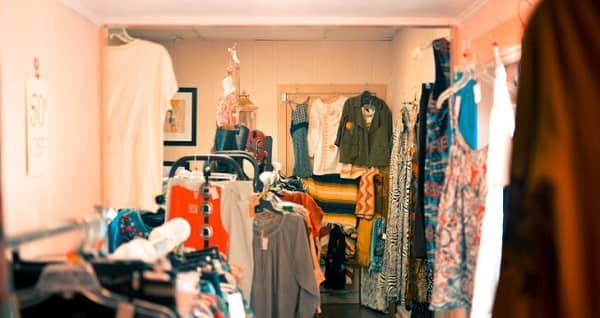
A Business Connected to Fashion, Weddings, and Lifestyle Trends
India’s fashion and apparel market continues expanding rapidly.
Several factors continue driving boutique demand:
- Growth of wedding spending
- Rise of Instagram fashion culture
- Increasing preference for customized outfits
- Expansion of women’s fashion market
- Demand for ethnic and fusion wear
- Growth of influencer and designer fashion trends
Fashion today is strongly linked to identity and social presentation.
Types of Boutique Businesses
1. Ethnic Wear Boutique
Sarees, lehengas, salwar suits, and festive collections.
2. Designer Boutique
Customized premium and luxury outfits.
3. Bridal Boutique
Wedding dresses, bridal lehengas, and occasion wear.
4. Western Fashion Boutique
Modern dresses, tops, co-ord sets, and urban fashion.
5. Kids and Family Boutique
Matching family outfits and children’s fashion.
6. Online and Instagram Boutique
Social-media-based clothing sales and customization.
Investment Required: Low to Moderate
Boutique businesses are flexible depending on scale and positioning.
A small home-based boutique may require ₹1–5 lakh including:
- Initial fabric and inventory
- Tailoring setup
- Branding and packaging
- Social-media marketing
- Basic photography
A premium boutique showroom in a prime location may require ₹20 lakh–₹5 crore or more depending on interiors, inventory, and brand scale.
Many successful boutiques initially start from home or Instagram before opening physical stores.
Revenue and Profit Potential
Boutique businesses can become highly profitable because fashion products often carry strong margins.
Revenue sources may include:
- Clothing sales
- Custom stitching charges
- Bridal and occasion-wear orders
- Designer consultation services
- Online orders and shipping
- Fashion accessories and add-ons
For example:
- Bridal outfits often generate very high profit margins.
- Customized designs reduce direct price competition.
- Instagram-based boutiques can scale quickly with low overhead costs.
A well-positioned boutique business can generate strong monthly revenue. Net profit margins generally range between 20–50% depending on branding, design uniqueness, and customer base.
Boutiques with strong social-media presence often grow especially fast.
What Makes This Business Successful
1. Unique Fashion Sense
Customers expect stylish and trendy collections.
2. Quality Stitching and Fabric
Poor finishing damages reputation quickly.
3. Understanding Customer Preferences
Fashion trends and local tastes matter heavily.
4. Strong Social Media Presence
Instagram and visual marketing drive major sales today.
5. Customer Relationships
Repeat customers are extremely valuable in fashion businesses.
Challenges to Prepare For
1. Heavy Competition
Fashion markets are highly crowded.
2. Trend Changes
Styles and customer preferences evolve rapidly.
3. Inventory Risk
Unsold stock can reduce profits heavily.
4. Seasonal Demand
Wedding and festival seasons often dominate sales.
5. Pricing Pressure
Customers frequently compare prices online.
Boutiques that focus on originality and customer experience usually survive competition much better than those selling generic products.
How to Increase Profitability
1. Focus on Customization
Customized outfits create stronger margins and loyalty.
2. Use Instagram and Reels Marketing
Fashion visuals perform extremely well online.
3. Add Bridal and Occasion Wear
Wedding fashion often generates premium pricing.
4. Offer Limited Collections
Exclusivity increases perceived value.
5. Expand Into Online Shipping
Pan-India online orders improve scalability significantly.
Boutique Business vs Garment Shop Business
Garment shops mainly sell ready-made mass-market clothing from multiple brands. Boutiques focus more on styling, exclusivity, customization, and fashion identity.
This creates stronger branding and premium-pricing opportunities.
However, boutiques also depend more heavily on creativity and customer relationships.
The Future of Boutique Business in India
The future remains extremely strong. India’s fashion industry, wedding market, influencer culture, and online-shopping ecosystem continue growing rapidly.
At the same time, consumers increasingly prefer personalized fashion experiences over generic retail shopping.
Regional ethnic wear, fusion fashion, sustainable fabrics, and social-media-driven trends are also likely to create fresh opportunities in coming years.
The Verdict: A Creative Fashion Business With Strong Lifestyle Demand
Boutiques are no longer limited to small tailoring shops selling local outfits. They have evolved into modern fashion-and-lifestyle businesses connected closely to weddings, social media, personalization, and premium styling culture.
Entrepreneurs who maintain strong design creativity, quality control, customer relationships, and effective digital branding often build highly profitable and scalable fashion businesses.
In a country where fashion remains deeply connected to festivals, celebrations, weddings, and personal identity while online fashion culture continues expanding rapidly, boutiques are likely to remain one of India’s strongest long-term lifestyle-business opportunities.
Frequently Asked Questions (FAQs)
Q1. Which boutique category is usually most profitable?
A: Bridal wear, designer ethnic outfits, and customized occasion wear often provide the strongest margins.
Q2. Why are Instagram boutiques growing so fast?
A: Because fashion content performs extremely well visually and customers increasingly shop directly through social media.
Q3. Is location important for boutique success?
A: Yes. Areas with strong fashion-conscious audiences and wedding demand usually perform better.
Q4. What is the biggest challenge in boutique business?
A: Keeping up with changing fashion trends and managing inventory risk are major challenges.
Q5. Can small home-based boutiques compete against large fashion stores?
A: Absolutely. Many small boutiques succeed through customization, unique designs, and personal customer relationships.
Q6. Is online selling important for boutique businesses today?
A: Very important. Social media and e-commerce now drive a major portion of fashion discovery and customer orders.