Water is one of the few products people consume every single day without exception. But over the last two decades, the way Indians consume drinking water has changed dramatically.
A few years ago, people mostly depended on tap water, hand pumps, or local filtration methods. Today, concerns about water purity, pollution, health safety, and convenience have completely transformed consumer behavior.
Whether it is railway stations, offices, hotels, weddings, restaurants, gyms, schools, hospitals, roadside shops, airports, or food-delivery orders, bottled drinking water has become a part of daily life across urban and semi-urban India.
At the same time, rising travel culture, tourism, urbanisation, and packaged-food consumption are continuously increasing demand for safe packaged drinking water.
This has transformed the bottled-water industry into one of India’s largest and most stable FMCG businesses.
Unlike trend-based consumer products that depend heavily on fashion or seasonal popularity, bottled water is connected to basic human necessity and recurring daily consumption.
A Business Connected to Health, Travel, and Daily Consumption
India’s packaged drinking-water market continues growing rapidly every year.
Several factors continue driving demand:
- Rising health awareness
- Concerns about water contamination
- Growth of tourism and travel
- Expansion of restaurants and hotels
- Increasing urban population
- Growth of delivery and convenience culture
Consumers today increasingly prefer packaged water for trust and convenience.
Types of Bottled Water Businesses
1. Packaged Drinking Water Plant
Standard purified bottled water production.
2. Mineral Water Brand
Premium mineral-rich bottled water products.
3. Jar Water Supply Business
20-liter jars for homes and offices.
4. Local Distribution Water Business
Supplying shops, restaurants, and events.
5. Private Label Water Manufacturing
Producing bottled water for other brands.
6. Premium and Lifestyle Water Brand
High-end bottled water with luxury positioning.
Investment Required: Moderate to High
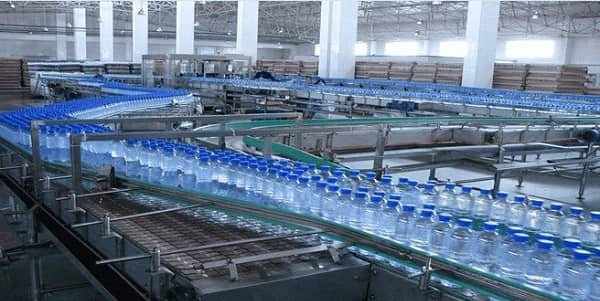
Bottled-water businesses require purification systems, packaging infrastructure, and compliance approvals.
A small packaged-water plant may require ₹10–50 lakh including:
- RO and filtration systems
- Bottle-filling machinery
- Packaging equipment
- Water storage tanks
- Licenses and testing approvals
- Transportation and distribution setup
A large automated mineral-water factory may require ₹1 crore–₹50 crore or more depending on production capacity and branding scale.
Water quality and compliance standards are extremely important in this business.
Revenue and Profit Potential
Bottled water can become highly profitable because demand remains recurring and widespread across industries.
Revenue sources may include:
- Retail bottled-water sales
- Jar-water subscriptions
- Hotel and restaurant supply
- Event and catering supply
- Wholesale distribution
- Private-label manufacturing
For example:
- Jar-water supply creates recurring household and office income.
- Large distribution networks improve sales volume significantly.
- Premium branded water often generates stronger margins.
A well-managed bottled-water business can generate strong daily cash flow. Net profit margins generally range between 10–30% depending on scale, packaging costs, and distribution efficiency.
Distribution strength often matters more than production capacity alone.
What Makes This Business Successful
1. Water Quality and Purity
Customer trust depends completely on safety standards.
2. Strong Distribution Network
Availability directly affects sales volume.
3. Competitive Pricing
The market is highly price-sensitive in many regions.
4. Efficient Packaging and Logistics
Transportation and bottle handling affect profitability heavily.
5. Brand Trust and Hygiene
Consumers prefer brands they believe are safe and reliable.
Challenges to Prepare For
1. Heavy Competition
Large national and local brands already dominate many markets.
2. Thin Margins in Some Segments
Price wars can reduce profitability.
3. Transportation Costs
Water is heavy, making logistics expensive.
4. Strict Regulatory Compliance
Testing, licensing, and hygiene standards must be maintained carefully.
5. Plastic and Environmental Concerns
Sustainability pressure is increasing gradually.
Businesses that maintain strong quality standards and efficient local distribution usually survive competition much better.
How to Increase Profitability
1. Focus on Jar-Water Supply
Recurring office and home subscriptions improve stable income.
2. Build Strong Local Distribution
Nearby markets reduce transportation expenses.
3. Add Customized Packaging
Events, weddings, and corporate branding create additional opportunities.
4. Target Hotels and Restaurants
Bulk clients provide steady recurring demand.
5. Create Strong Hygiene Branding
Trust strongly influences bottled-water purchasing decisions.
Bottled Water Business vs Beverage Business
Beverage businesses often depend heavily on taste trends, branding, and seasonal preferences. Bottled water businesses focus more on trust, necessity, purity, and convenience.
This creates more stable recurring demand.
However, competition and pricing pressure are also extremely intense in many regions.
The Future of Bottled Water Business in India
The future remains strong because safe drinking water continues becoming more important across India.
Urbanisation, tourism, office culture, travel growth, and rising health awareness are likely to keep increasing bottled-water demand for many years.
At the same time, eco-friendly packaging, premium water branding, and sustainable water solutions may shape the industry’s future evolution.
The Verdict: A Stable Consumption Business With Massive Daily Demand
Bottled water is no longer simply a convenience product sold during travel. It has evolved into a massive daily-consumption industry connected closely to health awareness, urban lifestyles, hospitality, and public trust.
Entrepreneurs who maintain strict quality standards, strong distribution systems, efficient logistics, and reliable branding often build highly stable and scalable FMCG businesses.
In a country with huge population density, rising urbanisation, and growing demand for clean drinking water, bottled water is likely to remain one of India’s strongest long-term consumer-product business opportunities.
Frequently Asked Questions (FAQs)
Q1. Which bottled-water segment is usually most profitable?
A: Jar-water supply and strong local distribution networks often provide stable recurring profits.
Q2. Why is bottled-water demand increasing in India?
A: Because of rising health awareness, travel growth, and concerns about water purity and contamination.
Q3. Is water quality the most important factor in this business?
A: Absolutely. Customer trust depends completely on purity, hygiene, and safety standards.
Q4. What is the biggest challenge in bottled-water business?
A: Distribution management and competing in highly price-sensitive markets are major challenges.
Q5. Can small local water brands compete against national companies?
A: Yes. Many local brands succeed through fast delivery, regional trust, and efficient nearby distribution.
Q6. Is this business affected by seasonal demand?
A: Summer usually increases sales significantly, but bottled water sees year-round demand because it is an essential daily-use product.