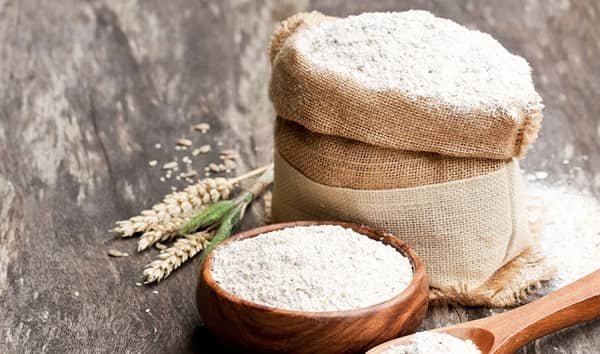
Wheat flour, commonly known as atta, is a staple ingredient in many households. It is used daily for making rotis, parathas, puris, and many other dishes. However, one common problem people face is finding tiny insects, weevils, or bugs in stored flour. These pests usually appear because of moisture, warm temperatures, poor storage practices, or eggs that may already be present in the grain before milling. Fortunately, with the right storage methods, you can keep your atta fresh, safe, and bug-free for months.
Why Do Bugs Appear in Wheat Flour?
Flour bugs are usually grain weevils, flour beetles, or pantry moths. Their eggs may already be present in wheat grains and hatch when they get favorable conditions such as warmth and humidity. Improper storage in open containers also allows insects to enter and multiply quickly.
Choose the Right Storage Container
The first step in preventing bugs is selecting a proper storage container.
Good options include:
- Airtight food-grade plastic containers
- Stainless steel containers with tight-fitting lids
- Glass jars with sealed lids
Avoid storing atta in torn paper bags or thin plastic packets for long periods. Once opened, transfer the flour into a clean, dry, airtight container immediately.
Store in a Cool and Dry Place
Heat and moisture are the biggest reasons insects grow inside flour.
Keep the container:
- Away from direct sunlight
- Away from the stove or oven
- In a cool kitchen cabinet or pantry
- In a dry place with low humidity
If your kitchen becomes very hot during summer, consider storing flour in smaller containers and keeping the extra supply in a refrigerator or freezer.
Freeze New Flour Before Storage
One of the easiest ways to prevent bugs is to freeze newly purchased flour.
Place the flour packet in the freezer for 48–72 hours before transferring it into storage containers. The freezing temperature kills any insect eggs or larvae that may already be present in the flour.
Allow the flour to return to room temperature before using it to avoid condensation.
Add Natural Insect Repellents
Several natural ingredients help keep insects away without affecting the quality of the flour.
Popular options include:
- 2–3 dried bay leaves
- A few dried neem leaves
- Whole cloves
- Dried red chilies
These natural repellents discourage insects but should not be mixed directly into the flour in large quantities. Replace them every few months for the best results.
Keep Containers Clean
Before adding fresh flour, always clean the storage container thoroughly.
Steps include:
- Empty the container completely.
- Wash it with warm soapy water.
- Dry it completely before refilling.
- Never add new flour on top of old flour.
Even a small amount of leftover flour may contain insect eggs, which can spread to the fresh batch.
Buy Flour in Smaller Quantities
Buying atta in bulk may seem economical, but it increases the chances of insect infestation if the flour is stored for a long time.
Purchase only the amount your family can use within one to two months. Fresh flour tastes better and remains safer for consumption.
Avoid Moisture During Use
Always use a dry spoon or scoop when taking flour from the container.
Never use wet hands or damp utensils because moisture creates the perfect environment for insects and mold growth.
Close the lid immediately after every use to prevent humidity from entering.
Refrigerate for Long-Term Storage
If you buy large quantities of atta, divide it into smaller airtight containers.
Store:
- One container in the kitchen for daily use.
- Remaining containers in the refrigerator or freezer.
Refrigeration greatly slows insect activity and keeps flour fresh for several months.
Check Flour Regularly
Inspect your stored flour every few weeks.
Look for:
- Tiny moving insects
- Web-like threads
- Strange smell
- Clumps caused by moisture
Early detection helps prevent the infestation from spreading to other pantry items.
Keep the Pantry Clean
Clean shelves regularly to remove spilled flour, grains, and food crumbs.
Also inspect nearby foods such as:
- Rice
- Lentils
- Semolina
- Corn flour
- Oats
Insects can easily spread from one food item to another if pantry hygiene is ignored.
What to Do If Bugs Appear?
If you notice only a few insects, you may be able to save the flour by freezing it and sifting it carefully. However, if there are many bugs, webbing, an unpleasant smell, or signs of mold, it is safest to discard the flour.
After disposal:
- Wash the container thoroughly.
- Vacuum and clean pantry shelves.
- Check nearby food items for signs of infestation.
Conclusion
Proper storage is the key to keeping wheat flour fresh and free from bugs. Using airtight containers, storing flour in a cool and dry place, freezing new flour before storage, maintaining pantry cleanliness, and purchasing smaller quantities are simple yet highly effective methods. Natural repellents like bay leaves, neem leaves, or cloves can provide additional protection. By following these practices, you can extend the shelf life of your atta, reduce food waste, and ensure your family always enjoys fresh, safe, and healthy homemade meals.