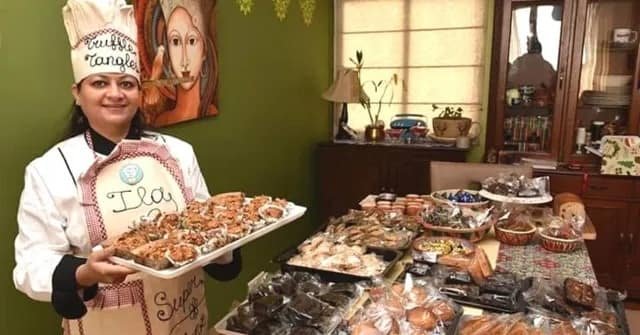
Yes, a bakery business can generally be operated from home in India, provided the business complies with applicable food-safety, licensing, hygiene, tax, packaging, and local premises requirements. Home bakers commonly sell cakes, cookies, breads, pastries, brownies and other baked products through direct orders, social media, websites and delivery platforms.
However, operating from a residential kitchen does not exempt the business from food-safety law. A home bakery is still a food business, and the operator must obtain the appropriate registration or licence from the Food Safety and Standards Authority of India (FSSAI), depending on the nature and scale of the business.
Is a Home Bakery Legal in India?
There is no general prohibition on running a small bakery business from a home in India. The important question is whether the operator complies with the laws applicable to food businesses and whether the particular residential premises can legally be used for the proposed commercial activity.
FSSAI requires food businesses to obtain the appropriate registration or licence under Section 31 of the Food Safety and Standards Act, 2006. Its framework covers food manufacturing and processing activities, which can include bakery operations.
Therefore, someone preparing cakes or other baked products at home for commercial sale should not assume that being a small or home-based business eliminates FSSAI requirements.
Is FSSAI Registration Required for a Home Bakery?
Yes, an eligible home bakery generally needs FSSAI registration or a licence before conducting commercial food-business activities.
FSSAI’s licensing framework covers food manufacturers and processors, including businesses involved in the preparation and manufacture of food products. The appropriate category depends on factors such as the nature of the activity, turnover and applicable eligibility criteria.
FSSAI revised the turnover thresholds for registration and licensing from April 1, 2026. Under the revised framework, eligible food businesses with annual turnover up to ₹1.5 crore generally fall under Registration, businesses above ₹1.5 crore and up to ₹50 crore generally fall under a State Licence, and businesses exceeding ₹50 crore generally fall under a Central Licence.
A small home baker may therefore fall under the registration category, subject to the applicable conditions.
Can You Use a Residential Kitchen for Baking?
A residential kitchen may be used for a home bakery where the applicable rules permit such activity. However, FSSAI registration is not the same thing as permission to commercially use a residential property.
The homeowner or tenant should also consider municipal regulations, local zoning rules, housing-society regulations, lease conditions and other restrictions applicable to the premises.
For example, a small operation producing a few cakes a week may raise different practical issues from a business operating commercial ovens, employing several workers, storing large quantities of ingredients and receiving frequent delivery vehicles.
Before investing in equipment, a home baker should therefore verify whether the intended commercial activity is permitted at the particular property.
What Hygiene Rules Apply to Home Bakeries?
A home bakery must maintain appropriate food-safety and hygiene standards.
FSSAI’s regulations establish hygienic and sanitary requirements for food businesses. These requirements are intended to ensure that food is prepared, handled and stored in a manner that prevents contamination.
Important areas include:
- Clean preparation and baking surfaces
- Personal hygiene of food handlers
- Safe storage of flour, dairy products and other ingredients
- Proper cleaning of utensils and equipment
- Prevention of cross-contamination
- Safe water
- Pest control
- Proper waste disposal
- Appropriate storage of perishable ingredients
- Safe handling of finished products
Home bakers should also pay particular attention to ingredients such as milk, cream, eggs and other products that may require temperature-controlled storage.
What About Cake and Food Packaging?
Packaging is an important compliance issue for home bakeries.
Finished products should be packed in suitable food-contact materials and protected against contamination during storage and delivery.
If a bakery sells pre-packaged products, rather than cakes or pastries prepared specifically for an individual order, additional labelling requirements can apply. Depending on the product and applicable regulations, declarations may include the name of the food, ingredient information, net quantity, date marking, manufacturer or marketer details and other prescribed information.
FSSAI’s Food Safety and Standards (Labelling and Display) Regulations, 2020 govern applicable food-labelling requirements and have been amended over time. A home bakery selling packaged cookies, breads or other products should therefore verify the requirements applicable to those products rather than relying on informal labels.
Can a Home Bakery Sell on Instagram and Other Platforms?
Yes. A home bakery can generally accept orders through social media, websites, messaging platforms or food-delivery services, provided the underlying food business complies with applicable laws.
Selling through an online platform does not remove FSSAI obligations. The operator remains responsible for the food being prepared and supplied.
A home baker should also keep basic business records, including purchase invoices, ingredient information, customer orders and relevant registration documents. These records can become increasingly important as the business expands.
Does GST Apply to a Home Bakery?
GST registration is separate from FSSAI registration.
Whether GST registration is required depends on the business’s turnover, the nature of its supplies and the applicable GST provisions. A small home bakery should therefore not assume that it automatically needs GST registration merely because it has obtained an FSSAI registration.
Similarly, the absence of a GST registration does not remove food-safety obligations.
If the bakery grows, supplies other businesses, sells through different channels or crosses the applicable GST threshold, its tax position should be reviewed.
Are Other Licences Required?
Depending on the location and scale of the business, additional requirements may apply.
A home bakery should consider whether it needs to comply with:
- Municipal trade requirements
- Shops and Establishments legislation
- Local health or sanitation rules
- Fire-safety requirements
- Waste-management regulations
- Commercial-use restrictions
- GST requirements, where applicable
- Legal Metrology requirements for applicable packaged products
The exact requirements can vary between states, cities and local authorities.
What Happens If a Home Bakery Operates Without FSSAI Compliance?
Operating a food business without the required FSSAI registration or licence can result in regulatory action.
FSSAI treats registration and licensing as mandatory requirements for food businesses under the applicable provisions of the Food Safety and Standards Act. Businesses can also face enforcement action for failing to meet food-safety and hygiene standards.
For this reason, a home baker should complete the appropriate registration or licensing process before regularly accepting commercial orders.
Final Takeaway
A bakery business can generally be legally operated from home in India, but being home-based does not place the business outside food-safety regulation.
The operator should determine the appropriate FSSAI registration or licence, maintain proper hygiene, use suitable food-grade packaging, follow applicable labelling requirements and examine GST obligations. The operator should also verify whether commercial food production is permitted at the particular residential premises under applicable local rules.
For a small home bakery, compliance may be relatively straightforward, but it should still be treated as a genuine food business rather than an informal activity. As the business grows, additional licensing, tax, employment, premises and packaging requirements may become relevant.
In short, Indian law generally permits home-based bakery businesses, but the legality depends on complying with food-safety requirements and the other rules applicable to the business and premises. Before starting operations, a home baker should check the current FSSAI category and the local requirements governing the property where the bakery will operate.