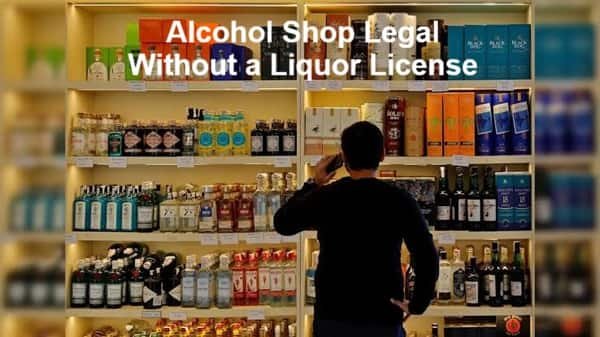
No. An alcohol shop generally cannot legally sell alcoholic beverages in India without the required liquor licence issued under the applicable state or Union Territory excise laws. Alcohol for human consumption is primarily regulated by the states, which control its manufacture, possession, distribution, sale and taxation through their respective excise laws.
Therefore, a person cannot normally open a retail liquor shop simply by obtaining an ordinary business or shop registration. A separate excise licence is generally required to sell alcohol legally. The exact licence, eligibility requirements, fees, permitted products and operating conditions vary considerably from one state or Union Territory to another.
Is a Liquor Licence Mandatory in India?
For commercial retail sale of alcoholic beverages, the answer is generally yes.
Unlike many ordinary retail businesses, liquor sales are subject to a specialised licensing system administered by the state excise department. States determine how many liquor outlets can operate, where they can be located and which categories of alcohol they may sell.
For example, Delhi’s excise framework provides different licence categories for retail and other forms of liquor-related activity. Official Delhi Excise Department documents show that specific licences are required for the retail supply or service of Indian and foreign liquor.
The exact position in another state can be different because alcohol regulation is largely state-specific.
Why Is Alcohol Regulated by the States?
The Constitution gives states significant authority over intoxicating liquors intended for human consumption. Consequently, there is no single nationwide “liquor shop licence” that applies identically across India.
Each state can establish its own excise legislation, rules, licensing categories and procedures.
For example, Uttar Pradesh has its own excise framework governing retail liquor licences. Its rules provide specific licensing arrangements for retail sale of foreign liquor, beer, wine and other permitted products.
This is why someone planning to open a liquor shop must check the excise law and current licensing policy of the particular state or Union Territory.
Can You Sell Alcohol With Only a Shop Licence?
Generally, no.
A shop registration, trade licence or registration under a Shops and Establishments law does not normally substitute for an excise licence.
The liquor licence specifically authorises the sale of alcoholic beverages subject to the conditions imposed by the excise authority. These conditions can regulate the premises, permitted products, business hours, source of liquor, storage, pricing, records and other aspects of the business.
An entrepreneur should therefore treat ordinary business registration and liquor licensing as separate compliance requirements.
What Does a Liquor Licence Control?
A liquor licence can specify the precise activities that the business is authorised to undertake.
For a retail shop, the licence may determine:
- The type of alcohol that can be sold
- The premises from which alcohol can be sold
- Permitted business hours
- Conditions relating to storage
- Approved sources of liquor
- Record-keeping requirements
- Applicable licence fees
- Restrictions on transfer or assignment
- Conditions concerning advertising or promotional activities
- Compliance with age-related restrictions
The conditions vary according to the state and the particular licence category.
A licence to sell sealed bottles for consumption elsewhere, for example, is not necessarily the same as a licence permitting alcohol to be served for consumption on the premises.
Can Anyone Apply for a Liquor Licence?
Not necessarily.
States commonly impose eligibility requirements on liquor-licence applicants. These can include age requirements, financial eligibility, documentation, character or background requirements, premises conditions and restrictions arising from previous excise violations.
The licensing process may also involve application fees, security deposits, tender or auction procedures, lotteries or other allocation mechanisms depending on the state and licence category.
For example, Uttar Pradesh’s retail foreign-liquor rules prescribe eligibility conditions for applicants and require specified documentation as part of the licensing process.
Consequently, obtaining a liquor licence is not always a simple matter of submitting a standard application and paying a fee.
Are There Restrictions on Where a Liquor Shop Can Operate?
Yes. Location is an important part of liquor licensing.
State excise authorities can regulate the number and location of liquor shops. Uttar Pradesh’s 2025 rules, for example, provide for the number and location of certain retail liquor shops to be determined by the licensing authority and include location-related requirements.
Other states have their own restrictions concerning distances from educational institutions, places of worship, highways, residential areas or other specified locations.
Therefore, an entrepreneur should confirm that the proposed premises is eligible before signing a long-term lease or investing heavily in the property.
What Happens If a Shop Sells Alcohol Without a Licence?
Operating an alcohol shop without the required licence can result in serious legal consequences.
Depending on the applicable state excise law, authorities may seize alcohol, close or seal premises, impose monetary penalties and initiate criminal proceedings. The precise consequences depend on the state, the quantity and type of alcohol involved, and the circumstances of the violation.
Unlicensed sale can also create problems with suppliers because legitimate manufacturers and wholesalers generally operate within the regulated excise distribution system.
A business should therefore not purchase alcohol from unauthorised sources and attempt to sell it through an ordinary retail establishment.
Can Alcohol Be Sold Online Without a Licence?
No. Online sales do not generally eliminate excise requirements.
Where a state permits particular forms of online or home-delivery alcohol sales, those activities remain subject to the applicable excise framework and permissions. A person cannot ordinarily establish an online alcohol store and assume that a normal e-commerce business registration permits the sale of liquor.
The legality of online alcohol sales is therefore state-specific, and the operator must comply with the applicable excise rules and any platform or delivery requirements.
Does GST Apply to Alcohol Sales?
Alcoholic liquor for human consumption is outside the scope of GST. However, this does not mean that alcohol is tax-free.
States impose their own excise duties, taxes and other charges on alcoholic beverages. A liquor business may also have GST obligations concerning other goods or services that it supplies, depending on its business model.
Therefore, an alcohol retailer should distinguish between GST compliance and state excise compliance.
What Other Compliance Requirements May Apply?
A liquor shop may need to comply with additional business requirements depending on its location and operations.
These may include:
- Local trade or municipal permissions
- Shops and Establishments requirements
- Fire-safety requirements
- Property and zoning requirements
- Employee-related laws
- Signage restrictions
- Weights and measures requirements, where applicable
- Excise record-keeping and inspection requirements
The exact obligations depend on the state, licence category and premises.
Final Takeaway
An alcohol shop generally cannot legally operate without the required liquor licence in India. Selling alcoholic beverages is a heavily regulated activity, and the relevant requirements are primarily determined by the state or Union Territory where the business operates.
A normal shop registration or trade licence does not ordinarily replace an excise licence. The entrepreneur must identify the appropriate liquor licence, satisfy the eligibility and premises requirements, pay the applicable fees or other charges and follow the conditions imposed by the excise authority.
Because liquor laws differ significantly between jurisdictions, there is no single nationwide procedure for opening a liquor shop. Before investing in premises or inventory, a prospective retailer should consult the current excise policy and licensing rules of the relevant state or Union Territory.
In short, selling alcohol without the required excise authorisation can lead to penalties, seizure and other legal action. A liquor shop should begin operations only after obtaining the appropriate licence and complying with all applicable state and local requirements.