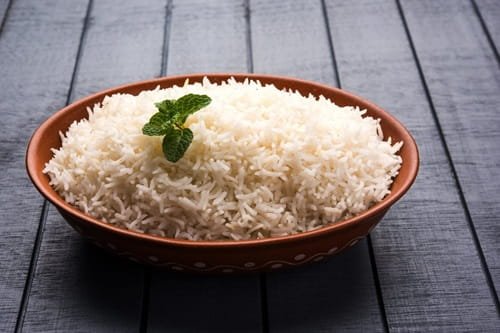
Basmati rice is one of the world’s most prized rice varieties, known for its extra-long grains, delicate aroma, fluffy texture, and exceptional taste. It is widely used in popular dishes such as biryani, pulao, fried rice, and festive meals. Compared to regular white rice or short-grain rice, Basmati rice usually comes with a higher price tag. This often leads consumers to wonder why it costs more than other rice varieties.
The higher price of Basmati rice is due to several factors, including its limited growing regions, longer cultivation period, aging process, premium quality, and strong global demand. Understanding these reasons can help consumers appreciate the value behind this premium grain.
Grown in Specific Geographic Regions
Unlike ordinary rice that can be cultivated in many parts of the world, authentic Basmati rice grows best in the fertile plains at the foothills of the Himalayas. These regions have unique soil conditions, climate, and water quality that contribute to the rice’s distinctive aroma and texture.
Because the suitable growing area is limited, the overall supply of genuine Basmati rice is lower than that of common rice varieties, which naturally increases its market value.
Longer Growing Period
Basmati rice generally requires a longer growing season than many other rice varieties.
Farmers often wait several months for the crop to mature completely before harvesting. The extended cultivation period means:
- More field maintenance
- Higher labor costs
- Greater exposure to weather-related risks
- Slower production cycles
These factors contribute to its higher production cost.
Natural Aroma and Flavor
One of the most distinctive features of Basmati rice is its naturally pleasant fragrance. The aroma comes from naturally occurring compounds that develop during growth and storage.
Unlike ordinary rice, which may have little or no fragrance, Basmati offers a rich, nutty aroma that enhances the overall dining experience.
Its unique flavor makes it highly desirable for premium dishes served in homes and restaurants.
Aging Improves Quality
High-quality Basmati rice is often aged for several months or even longer before being sold.
The aging process helps:
- Reduce moisture content
- Improve cooking quality
- Enhance aroma
- Produce longer, fluffier grains after cooking
Storing rice for months requires additional warehouse space, careful handling, and inventory management, all of which increase production costs.
Longer Grain Size
Basmati rice is famous for its extra-long, slender grains.
When cooked, the grains expand mainly in length rather than width, resulting in fluffy, separate grains that are ideal for dishes like biryani and pulao.
Producing rice with consistent grain size requires careful cultivation, harvesting, and processing, which adds to its premium value.
Careful Processing and Quality Control
After harvesting, Basmati rice undergoes multiple processing steps to maintain its quality.
These include:
- Cleaning
- Drying
- Milling
- Grading
- Polishing
- Packaging
Premium brands also perform strict quality checks to ensure grain length, purity, aroma, and consistency. This additional quality control contributes to higher production expenses.
Strong International Demand
Basmati rice is exported to many countries around the world and enjoys a strong reputation in international markets.
It is especially popular for:
- Indian cuisine
- Pakistani cuisine
- Middle Eastern dishes
- Fine dining restaurants
- Premium grocery stores
High global demand increases competition for available supplies, which helps keep prices higher than many locally consumed rice varieties.
Lower Yield Compared to Some Rice Varieties
Many high-yield rice varieties produce more grain per acre than traditional Basmati varieties.
Since farmers may harvest relatively smaller quantities of Basmati rice from the same area of land, the production cost per kilogram can be higher.
Lower yield combined with premium quality contributes to the increased retail price.
Higher Farming Costs
Growing Basmati rice often involves greater attention to crop management.
Farmers invest in:
- High-quality seeds
- Proper irrigation
- Pest and disease management
- Skilled labor
- Harvesting and post-harvest handling
These investments help maintain the premium quality expected by consumers but also increase overall production costs.
Protected Identity and Premium Branding
Authentic Basmati rice is recognized worldwide as a premium product. Many brands invest in attractive packaging, certification, traceability, and quality assurance to build consumer trust.
These branding and marketing efforts add value to the product and are reflected in its selling price.
Is Basmati Rice Worth the Price?
For many consumers, the answer is yes.
Basmati rice offers several advantages:
- Excellent aroma
- Long, fluffy grains
- Rich taste
- Attractive presentation
- Versatility in cooking
- Premium dining experience
It is particularly preferred for special occasions, family gatherings, weddings, and restaurant-quality meals.
For everyday meals, however, regular rice varieties may be a more economical choice depending on personal preferences and budget.
Tips for Buying Good-Quality Basmati Rice
To get the best value for your money:
- Choose reputable brands with good quality standards.
- Check that the grains are long, slender, and uniform.
- Look for aged Basmati if available.
- Ensure the package is properly sealed.
- Store rice in an airtight container in a cool, dry place to preserve its aroma and freshness.
Conclusion
Basmati rice is more expensive than other rice varieties because of its limited growing regions, longer cultivation period, lower yields, natural aroma, aging process, careful processing, and strong global demand. Its distinctive fragrance, extra-long grains, and superior cooking quality make it a premium choice for many traditional and international dishes. While the higher price may seem significant, many consumers consider Basmati rice worth the investment for its exceptional taste, texture, and overall dining experience. Whether prepared as a fragrant biryani or a simple bowl of steamed rice, Basmati continues to be one of the finest and most valued rice varieties in the world.