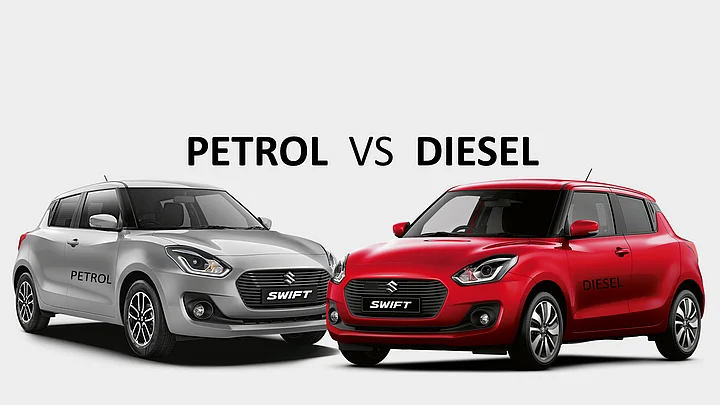
Choosing between a petrol car and a diesel car is an important decision for anyone planning to buy a vehicle in India. Both fuel types have advantages, but they differ in purchase price, mileage, maintenance costs, driving performance, and long-term ownership expenses.
Petrol cars are generally popular among city commuters because they tend to be quieter, have lower upfront prices, and suit short daily journeys. Diesel cars are often preferred by people who travel long distances because diesel engines typically offer better fuel efficiency and strong low-speed pulling power.
So, which is better: a petrol car or a diesel car? The answer depends on how much you drive, where you drive, your budget, and how long you plan to keep the vehicle. This guide compares both options to help you make an informed decision.
What Is the Difference Between Petrol and Diesel Cars?
A petrol car uses a spark-ignition engine, in which a spark plug ignites the air-fuel mixture. Petrol engines are often associated with smoother, quieter operation, particularly in smaller passenger cars.
A diesel car uses a compression-ignition engine. It compresses air to a high temperature and injects diesel fuel, which ignites under the resulting conditions. Diesel engines generally deliver strong torque at lower engine speeds, making them useful for carrying loads and accelerating without frequent gear changes.
Modern petrol and diesel vehicles use advanced engine management and emissions-control systems. Their performance, efficiency, and reliability depend on the specific engine and vehicle design.
Petrol Car vs Diesel Car: Key Differences
| Comparison factor | Petrol car | Diesel car |
| Initial purchase price | Generally lower | Often higher |
| Fuel efficiency | Usually lower than a comparable diesel | Usually higher than a comparable petrol |
| Fuel cost per kilometre | Can be higher | Can be lower, depending on fuel prices and mileage |
| Driving experience | Often quieter and smoother | Strong low-speed torque |
| Maintenance | Often simpler and less expensive | Can cost more, especially with emissions-system repairs |
| Best suited for | City driving and moderate annual mileage | Frequent long-distance driving and high annual mileage |
| Environmental impact | Generally lower particulate and nitrogen oxide emissions than comparable older diesel technology | Emissions depend heavily on engine technology and emissions controls |
These are general trends, not universal rules. A modern diesel car may be cleaner than an older petrol car in some respects, while a well-designed petrol engine may offer better efficiency than a larger or less efficient diesel model.
Purchase Price and Affordability
Petrol cars are often more affordable to buy than their diesel equivalents. The difference depends on the manufacturer, vehicle category, engine options, and variant.
Diesel cars may have a higher initial price because diesel engines and their emissions-control systems can be more expensive to manufacture. This additional cost matters if you have a limited budget or plan to sell the car after only a few years.
When comparing models, look beyond the ex-showroom price. Include registration, insurance, financing costs, and expected resale value in your calculations.
Which is better? A petrol car is often the more economical choice for buyers who want a lower upfront cost and do not drive particularly long distances each year.
Mileage and Fuel Expenses
Fuel efficiency is one of the biggest reasons buyers consider diesel cars. Diesel engines generally extract more useful energy from each litre of fuel, which often results in better mileage than a comparable petrol engine.
However, mileage varies with engine size, vehicle weight, traffic, driving style, air-conditioning use, and road conditions. Diesel fuel is not always sufficiently cheaper than petrol to guarantee substantial savings.
You can estimate fuel expenses using this formula:
Fuel cost per kilometre = Fuel price per litre ÷ Real-world mileage in kilometres per litre
For example, assume petrol costs ₹100 per litre and a petrol car delivers 15 km/l. Its fuel cost is approximately ₹6.67 per kilometre.
If diesel costs ₹90 per litre and a diesel car delivers 20 km/l, its fuel cost is ₹4.50 per kilometre.
In this illustrative example, diesel saves ₹2.17 per kilometre. Actual prices and mileage vary, so use local fuel prices and realistic efficiency figures when comparing specific cars.
If you drive many kilometres annually, these savings may help offset the diesel car’s higher purchase price.
Performance and Driving Experience
Petrol cars generally offer smooth acceleration and quieter engine operation, making them comfortable for city driving. Many petrol engines also respond well at higher engine speeds, although performance varies by design.
Diesel cars typically produce more torque at lower engine speeds. This can make them feel strong when climbing hills, overtaking, carrying passengers, or travelling on highways. Their relaxed cruising characteristics can be appealing for frequent long-distance drivers.
However, modern turbocharged petrol engines can also deliver strong performance. The better choice depends on the specific models you compare, not simply the fuel type.
Maintenance and Repair Costs
Maintenance costs can significantly affect the total cost of owning a car.
Petrol cars generally have simpler emissions-control requirements and may cost less to maintain, particularly in smaller vehicle categories. Routine servicing still includes engine oil, filters, spark plugs, and other scheduled checks.
Diesel cars may require more expensive repairs involving fuel injectors, turbochargers, diesel particulate filters (DPFs), and other emissions-control components. Not every diesel car will experience these problems, but repair costs can be substantial when they occur.
Diesel cars equipped with DPFs may also require suitable driving conditions for regeneration. Frequent short journeys can prevent some systems from completing this process effectively, depending on the vehicle.
Which is better? Petrol cars are often preferable for buyers who prioritise simpler ownership and mostly drive short distances.
Which Is Better for City Driving and Long Journeys?
Petrol cars are generally well suited to city driving, especially when daily journeys are short and annual mileage is moderate. Their quieter operation and potentially lower purchase price make them attractive for commuting, shopping, and family use.
Diesel cars can be a better fit for drivers who regularly cover long distances. Higher fuel efficiency may reduce running costs over time, particularly for larger vehicles and highway-heavy usage.
If your car spends most of its time in slow-moving traffic and rarely completes longer journeys, carefully consider whether a diesel engine’s potential fuel savings justify its additional purchase and maintenance costs.
Environmental Impact and Legal Restrictions
Both petrol and diesel cars produce emissions, but the type and quantity vary by engine design, fuel, emissions-control equipment, and driving conditions. Diesel engines can produce nitrogen oxides and particulate matter, making effective emissions-control systems particularly important.
In India, buyers should also consider local vehicle regulations. The National Capital Region has been subject to age-based restrictions affecting older vehicles, including diesel vehicles over 10 years old and petrol vehicles over 15 years old under the cited orders. The regulatory position may change through subsequent court decisions or government directions, so check the latest rules before buying or using a vehicle in the region.
If you live in an area with specific restrictions, confirm that the vehicle you plan to purchase complies with the applicable requirements.
Which Car Should You Buy?
Choose a petrol car if you:
- Primarily drive within a city.
- Cover relatively few kilometres each year.
- Want a lower initial purchase price.
- Prefer quieter engine operation and potentially simpler maintenance.
- Expect to sell the vehicle after a relatively short ownership period.
Choose a diesel car if you:
- Frequently travel long distances.
- Cover high annual mileage.
- Want strong low-speed torque.
- Need a vehicle suited to regular highway journeys.
- Can justify the higher purchase price through fuel savings.
Before deciding, calculate the likely total ownership cost over your expected holding period. Include fuel, servicing, insurance, repairs, resale value, and any local regulatory limitations.
Final Verdict
In the petrol car vs diesel car comparison, petrol cars are generally better for city commuters and buyers seeking lower upfront costs, while diesel cars can be more economical for drivers who cover long distances regularly.
The best decision depends on your driving habits rather than mileage figures alone. Compare equivalent models, calculate fuel savings, consider maintenance costs, and check local regulations before purchasing.
A car that matches your actual travel needs will usually deliver better value than one chosen solely because its fuel type appears cheaper.
Frequently Asked Questions
Q. Which is better, a petrol car or a diesel car?
A petrol car is often better for city driving and moderate annual mileage. A diesel car may be better for frequent long-distance travel and high annual mileage.
Q. Which car gives better mileage?
Comparable diesel cars generally deliver better fuel efficiency than petrol versions, although actual results depend on the engine, vehicle weight, and driving conditions.
Q. Is diesel cheaper to run than petrol?
Diesel can cost less per kilometre because of higher mileage, but the actual savings depend on local fuel prices, purchase price differences, and maintenance expenses.
Q. Which car is easier to maintain?
Petrol cars often have simpler maintenance requirements, while diesel cars can involve additional emissions-control and fuel-system expenses. Costs vary by model.
Q. Is a diesel car suitable for short daily trips?
It can be used for short trips, but some modern diesel cars with DPFs are less suited to repeated short journeys that do not allow the system to regenerate properly.